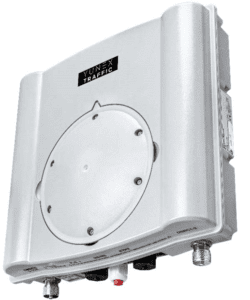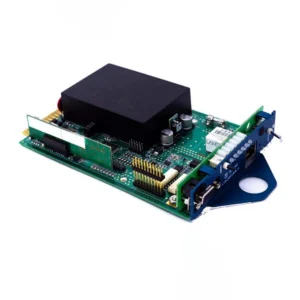
OPTICAL SIGNAL PROCESSORS (OSP) CARDS – STROBECOM II™
An Optical Signal Processor (OSP) receives electrical signals sent by optical preemption...

As representatives of two industry leaders in Smart Preemption Solutions, Yunex Traffic throughout our territory and Tomar exclusively for Southern California, we bring you cutting-edge technology designed to revolutionize traffic management and emergency response systems. Our Smart Preemption and Priority Solutions utilize state-of-the-art algorithms and real-time data to prioritize vehicles such as emergency services, public transportation, and connected vehicles equipped with smart technology. With our expertise and partnership with industry leaders, we ensure swift and efficient transportation, minimizing response times and optimizing traffic flow for safer and more effective urban and rural environments.
An Optical Signal Processor (OSP) receives electrical signals sent by optical preemption...
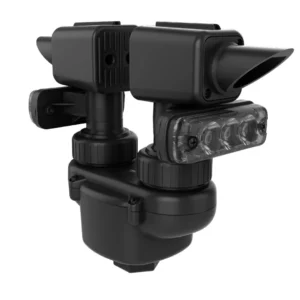
Optical Preemption Detectors are mounted on traffic mast arms to observe the...
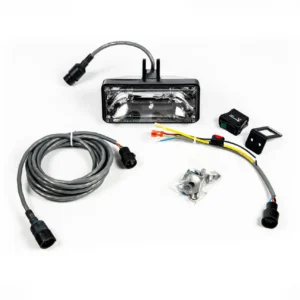
Optical emitters provide emergency vehicle preemption at upcoming traffic signal intersections and...
Western Systems supports a wide range of preemption and priority applications, including:
We help agencies design integrated systems that align with corridor priorities, minimize conflicting calls, and support both legacy and IP-based communications. Solutions are designed to be flexible from intersection-level retrofits to full corridor or citywide deployments.
IR-based preemption uses high-intensity optical signals to communicate between authorized vehicles and signalized intersections from up to 2500 feet which can be reduced, if needed, in downtown areas. Emergency vehicles are equipped with Strobecom II Emitters, which flash coded infrared signals toward approaching traffic signals. Strobecom II Detectors mounted on the traffic signal mast arm detect the optical signal, then send an electrical signal to the traffic signal cabinet. The Strobecom II OSP Card located inside of the traffic cabinet verifies the preemption call, and then requests for the traffic signal controller to preempt the appropriate phase, by delivering a green light well before the vehicle reaches the intersection so that any vehicles previously stopped at a red light will have time to proceed and merge to create a clear path. This reduces intersection delays, stops cross traffic, and improves safety during emergency responses, particularly in complex or congested networks.
This helps reduce intersection delays, clear cross traffic, and improve safety during emergency responses, particularly in complex or congested networks.
Yes, many of our agency partners are combining emergency preemption and transit signal priority within shared corridors. Through intelligent controllers and conditional logic, we help cities prioritize emergency vehicles while still enabling transit vehicles to request signal priority based on schedule adherence or passenger loads.
We also provide tools to manage and log multiple priority requests at once, ensuring that system behavior aligns with city policy and mobility goals.
Western Systems works with a wide array of industry-leading technologies, including:
We design systems that are interoperable and expandable, whether you’re working with legacy detection or planning a full CV2X upgrade.
Most agencies begin with a corridor audit or needs assessment. Western Systems supports every step of the deployment, including:
City-wide deployment can be phased or rapid, depending on signal cabinet readiness and fleet outfitting.