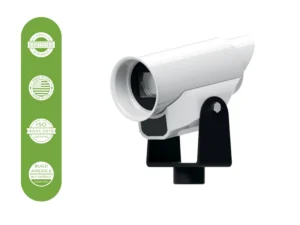
WDR CAMERA
Multi-Use Fixed-Position PoE Camera

Western Systems provides a comprehensive range of traffic detection solutions designed to support today’s evolving transportation infrastructure. From traditional vehicle detection to AI-based video detection systems, our portfolio helps state and local agencies collect accurate traffic data, improve intersection safety, and support adaptive traffic operations. Our traffic detection products are field-proven, cost-effective, and compatible with existing traffic control systems, supporting applications such as vehicle detection, bicycle and pedestrian detection, traffic actuation, and safety analytics. This flexible approach allows agencies to deploy the right detection technology today while preparing for future smart city and Vision Zero initiatives.

Western Systems partners with industry-leading traffic detection manufacturers to deliver reliable, scalable traffic data collection and detection systems for a wide range of roadway environments. Our portfolio supports multiple detection technologies, allowing agencies to select solutions that align with infrastructure conditions, budget, and operational goals.
Our detection offerings include:
By offering a technology-agnostic traffic detection portfolio, Western Systems helps agencies improve traffic operations today while remaining ready for future advancements in connected and intelligent transportation systems (ITS).
Multi-Use Fixed-Position PoE Camera

The smartest traffic management solution
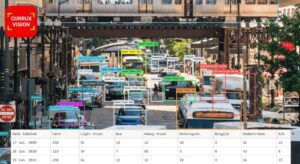
AI-Enabled Solutions for Traffic Monitoring and Enforcement
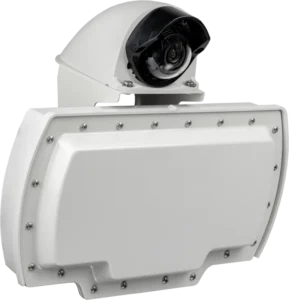
12 lanes of detection. 1 device. Highway-scale coverage without the hardware sprawl.
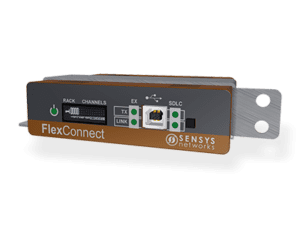
SLDC interface that replaces all your EX cards
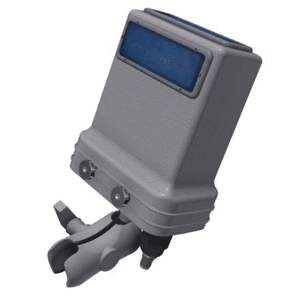
Solar repeater for long-lasting comms
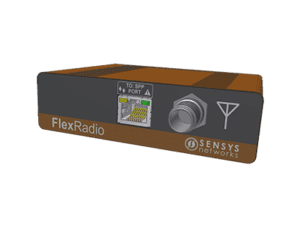
Enables totally wireless detection
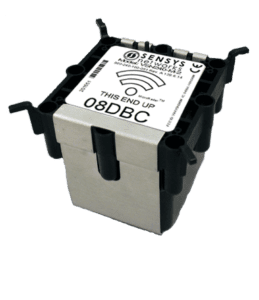
In-Pavement Bike Sensor

Edge Gateway for wireless communication
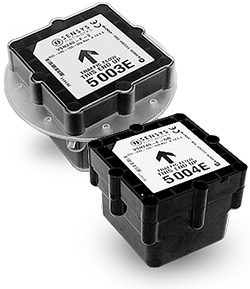
In-Pavement Vehicle Sensor
Western Systems offers a range of detection technologies designed to serve different traffic environments and operational goals. These include radar-based systems for high-speed corridors, video detection for complex urban intersections, magnetic loop detection for specific lane-based activation, and advanced AI-based detection that uses machine learning to improve real-time responsiveness. For pedestrian safety, we support video and radar-enhanced crosswalk detection and actuation systems that enhance visibility and timing accuracy.
Each technology has distinct strengths based on the application:
The best choice often depends on the roadway design, environmental factors, and agency maintenance capabilities.
Yes. All detection technologies offered by Western Systems are designed with interoperability in mind. Whether an agency uses NEMA TS2 cabinets, ATC controllers, or centralized signal management software, our detection systems can be integrated seamlessly to support actuated and coordinated operations. We also offer cloud-connectivity options for agencies managing signals remotely or across multiple jurisdictions.
Absolutely. Our AI-based detection systems can support Vehicle-to-Everything (V2X) communications by transmitting real-time data to roadside units (RSUs) and traffic management platforms. This allows for enhanced situational awareness, adaptive signal timing, and improved safety applications such as red-light running alerts and speed harmonization. These capabilities position agencies to scale detection infrastructure into broader smart city initiatives without needing to overhaul existing hardware.
Installation timelines and needs vary by technology. For instance, radar and AI-based video systems are typically mounted on existing poles or mast arms, minimizing disruption during deployment. Calibration includes setting up detection zones, ensuring alignment, and verifying data output in coordination with the signal controller.
Ongoing maintenance depends on the system: radar systems are generally low-maintenance, while video systems may need occasional cleaning or recalibration, especially after seasonal changes or construction. All systems can be monitored remotely with proper integration, allowing agency teams to address performance issues proactively.
Accurate and timely detection directly impacts signal responsiveness, particularly for side streets, left turns, and pedestrian phases. Better detection leads to fewer false calls, reduced service disruptions, and improved corridor reliability—especially during peak hours or unpredictable traffic patterns. Additionally, modern detection systems provide health monitoring and diagnostics that help reduce unnecessary field visits and keep equipment operating at peak performance.