
Backup power is one of those cabinet decisions that shows up later. It shows up during an outage when an intersection drops into flash. It shows up during heat waves and cold snaps when energy storage performance becomes less predictable. It also shows up in day-to-day operations, when replacement cycles and field maintenance needs begin to compete with higher-priority work such as detection upkeep, timing reviews, and construction support.
Why Backup Power Conversations are Changing
Many agencies are being asked to do more with the same staff time. When energy storage requires regular testing, replacements, and disposal planning, it creates a steady cadence of cabinet visits that can be hard to sustain at scale. At the same time, more intersections are adding communications equipment, detection, and other field devices that increase the operational importance of stable power.
In this blog, we’ll go over how backup power strategies are evolving as agencies focus on resilience, maintainability, and predictable lifecycle planning.
What Makes Supercapacitors Different in Cabinet Environments
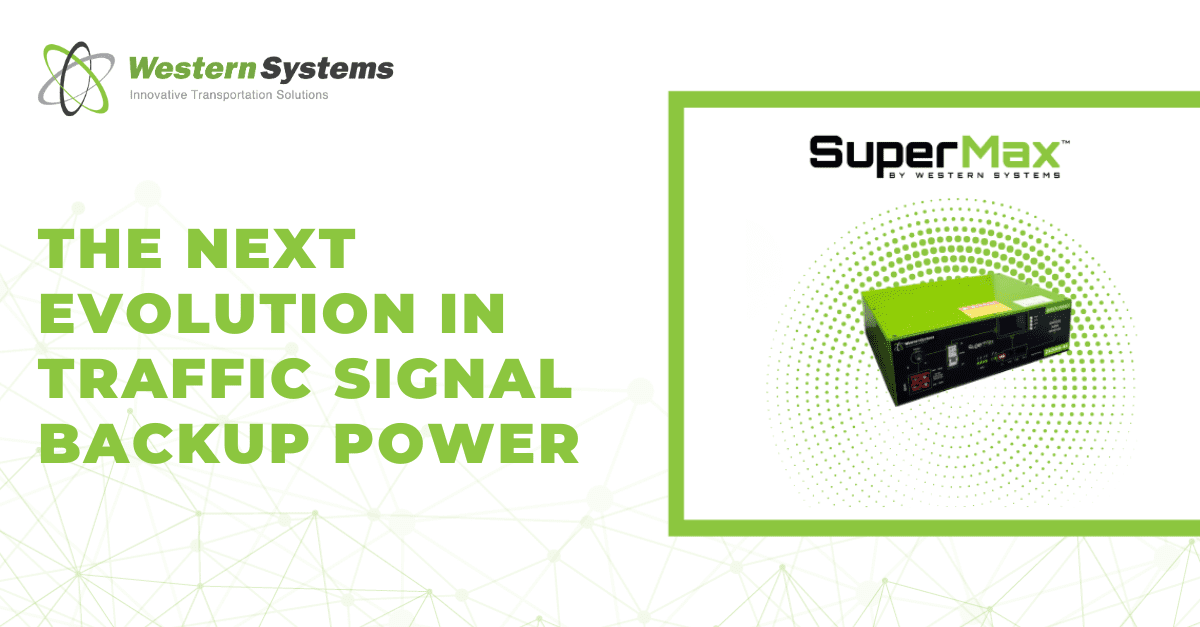
SuperMax™ is built around supercapacitor technology, which is often evaluated for applications that experience frequent charge and discharge cycles. For agency teams, the practical question is not simply, “Will it run?” The more useful question is, “How will it perform across seasons, site types, and years of field conditions?”
Key Technical Considerations for Supercapacitor Backup Power
When evaluating supercapacitor technology for a traffic signal cabinet, agencies should consider several practical factors:
- How the technology integrates with the existing traffic signal backup power system
- Configuration requirements for the cabinet and connected equipment
- Expected runtime based on the total electrical load
- Real-world operating conditions, including frequent cycling and temperature extremes
- Application fit for solar-supported sites, remote locations, or intersections with demanding utility conditions
Reviewing these details early helps agencies determine whether a system aligns with both immediate operational requirements and longer-term maintenance goals.
Fit Considerations Agencies Can Bring to The Table
Every intersection has different power demands and environmental conditions. Agencies can begin the evaluation process by identifying:
- Locations with the greatest heat exposure or coldest startup conditions
- Corridors that experience frequent cycling due to utility interruptions or solar operation
- The equipment that must remain powered, including cabinet and ITS devices
- The number of energy storage replacements currently included in the annual maintenance plan
- Sites where access, traffic control, or technician travel makes routine replacement especially disruptive
These details help move the discussion from general technology concepts to practical deployment decisions.
What This Can Mean for Crews and Resilience Planning
A recurring theme in cabinet work is predictability. When agencies can reduce the frequency of energy storage replacements and better understand how backup power will perform under specific site conditions, crews may gain more time for core system performance work.
Plan a Backup Power Strategy With Western Systems
The right backup power solution depends on cabinet configuration, connected loads, local climate, utility conditions, and agency maintenance priorities. Western Systems can help agencies evaluate these factors and determine whether SuperMax™ supercapacitor technology is a good fit for a specific intersection, corridor, or broader deployment plan.
Contact Western Systems to discuss your current backup power challenges and explore a solution designed around the needs of your traffic signal network.