

Traffic agencies rarely think about backup power until it is needed. A cabinet goes dark after an outage, an intersection flashes, or an ITS device loses communication at the worst possible time. In many regions, the bigger challenge is not a single storm event. It is the steady operational burden of maintaining energy storage across widely distributed field assets.
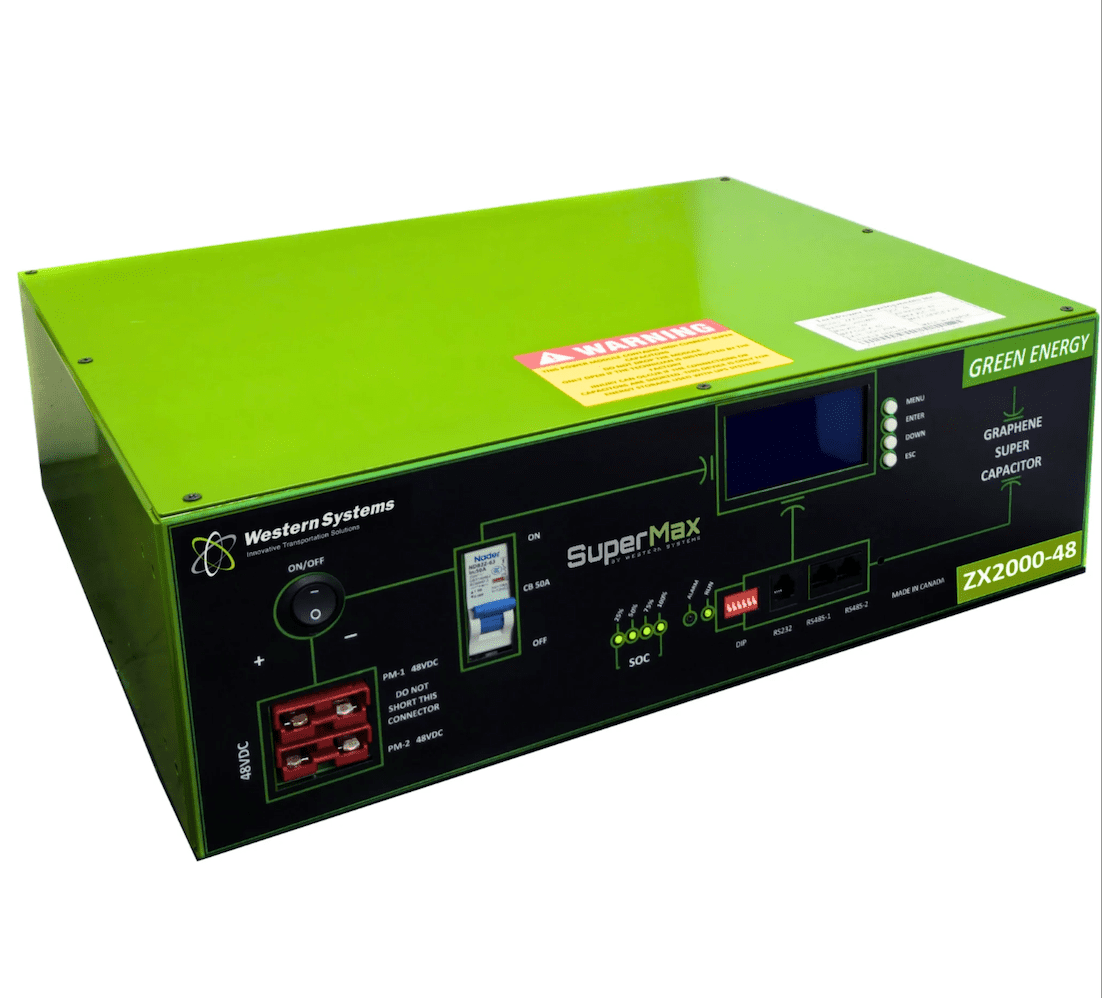
A new option now entering the toolbox is the SuperMax™ ZX2000-48 Graphene Super Capacitor Power Module, designed to support critical infrastructure where temperature swings, frequent cycling, and long service life expectations make traditional approaches harder to sustain.
Field Time: The Biggest Demand on Technical Crews
For many agencies, backup power maintenance becomes a recurring workload: battery testing, replacements, disposal, and unexpected failures that trigger urgent dispatch. When networks scale to dozens or hundreds of cabinets, that cadence can compete directly with other priorities, such as signal coordination reviews, detection maintenance, and construction support. A long-life energy storage approach can shift effort from routine replacement planning back to system performance.
Extreme Temperatures Expose the Weak Points
Signal cabinets and roadside enclosures are exposed to harsh conditions. Heat can shorten the usable life of energy storage, while cold can limit available power when it is most needed. SuperMax™ is designed to operate from -40°C to +60°C, which is relevant for agencies managing high-desert summers, mountain winters, or both in the same service area.
High-Cycle Locations Need a Different Kind of Storage
Not every site behaves like a rare-emergency backup. Solar-supported intersections, corridors with frequent utility interruptions, and cabinets supporting communications equipment can see regular charge and discharge cycles. SuperMax™ is designed for up to 200,000 charge and discharge cycles and a service life of up to 30 years, intended to reduce replacement frequency and lifecycle disruption compared with more frequently serviced storage approaches.
Cabinet Constraints Matter in The Real World
Agencies and contractors often have to work within tight footprints, limited ventilation, and existing rack layouts. The module is built for zero-clearance installation, requires no cooling or heating, and supports shelf, rack, or vertical mounting.
This matters most when upgrades must fit within established cabinet standards without increasing footprints or adding thermal-management complexity.
Visibility Helps Crews Make Faster Decisions
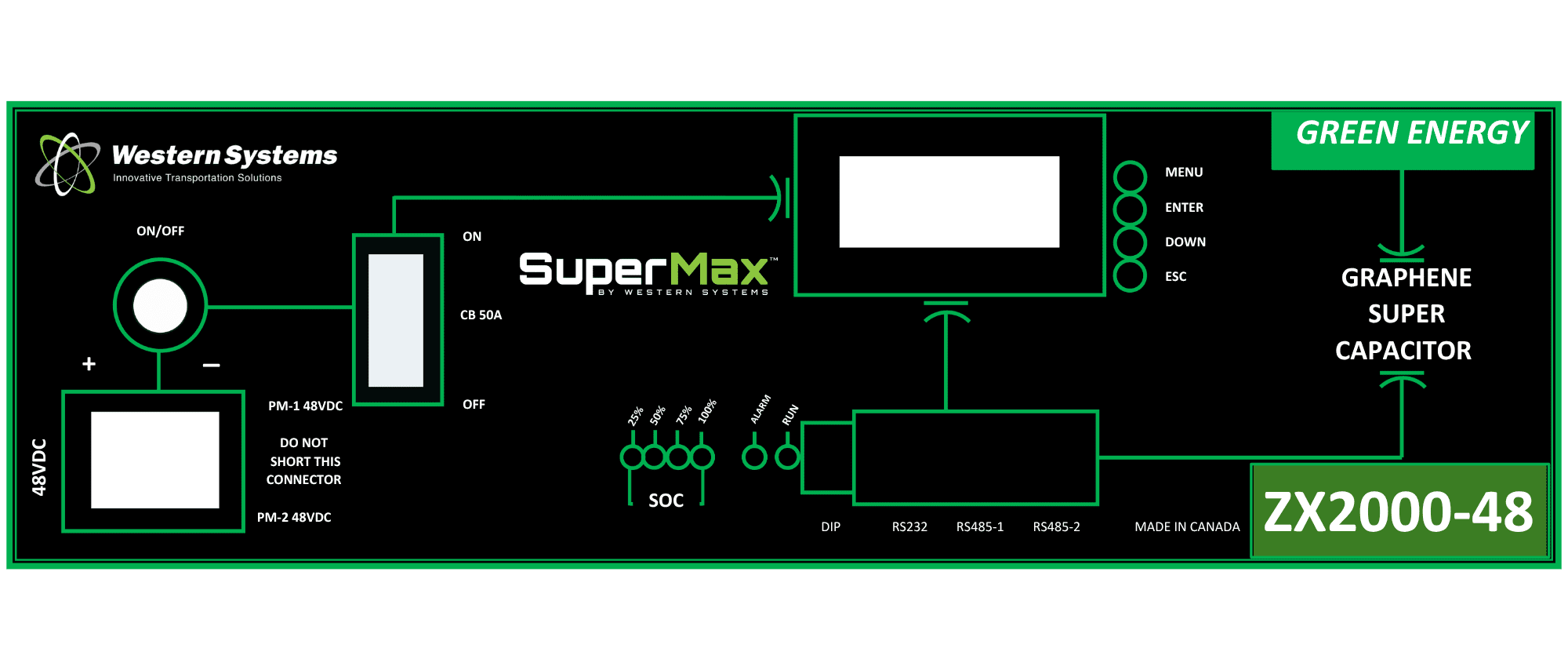
When an outage occurs, knowing what the backup system is doing can reduce troubleshooting time. The cut sheet highlights an onboard LCD control panel and LED indicators that can show state of charge and operating data, with an optional SNMP Ethernet capability for networked visibility.
Planning Considerations for Deployment
Agencies evaluating supercapacitor modules typically start with sites where maintenance access is limited, temperatures are extreme, or cycling is frequent. The ZX platform is described as modular, supporting capacity or redundancy using identical modules.
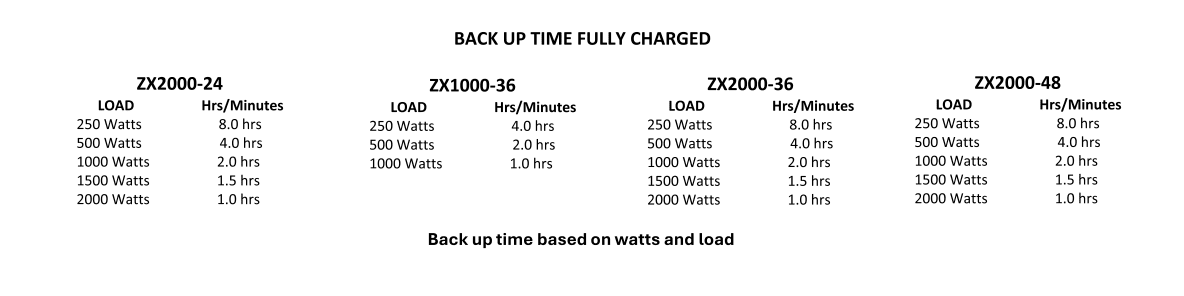
A practical next step is defining the runtime requirement per load and identifying which cabinet types and field devices would benefit most from reduced service intervals.
Planning the Next Resilience Upgrade
For agencies planning long-term resilience upgrades, reviewing backup power strategies for traffic signal cabinets, or supporting solar and high-cycle deployments, Western Systems can help map site needs to a maintainable field standard. To discuss application fit and typical deployment patterns, contact Western Systems.