
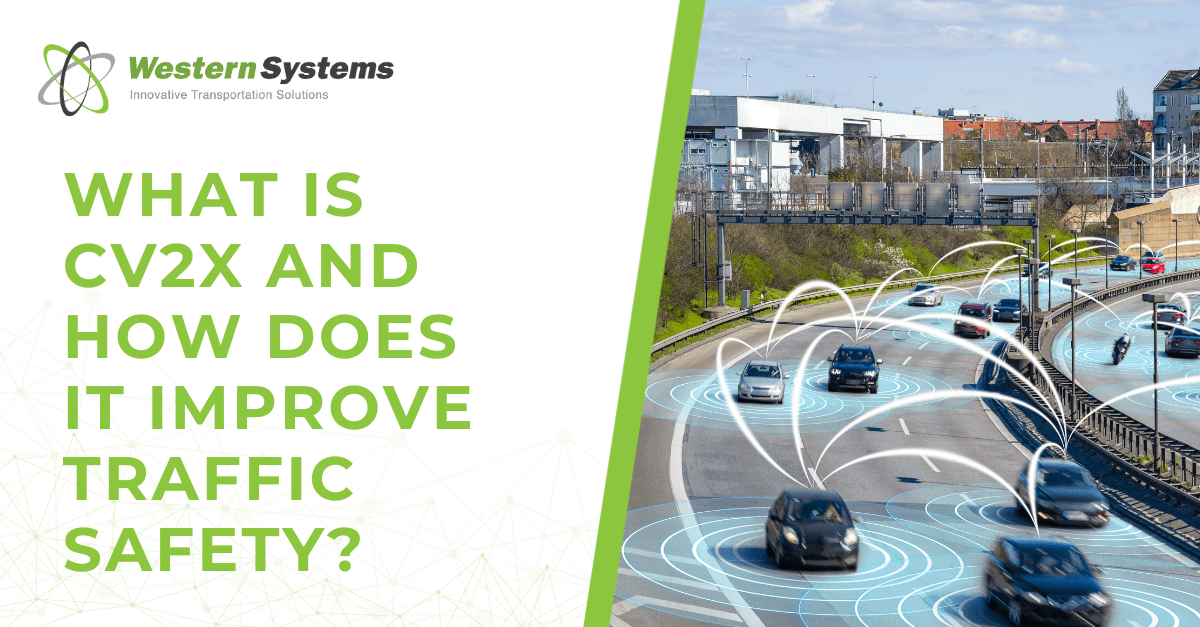
Cellular Vehicle-to-Everything (CV2X) is a traffic safety technology that allows vehicles, traffic signals, pedestrians, and even infrastructure to “talk” to each other in real time. As connected vehicle technology advances, CV2X is emerging as one of the most effective tools for reducing crashes, improving efficiency, and preparing cities for smarter transportation systems.
What Does CV2X Actually Mean?
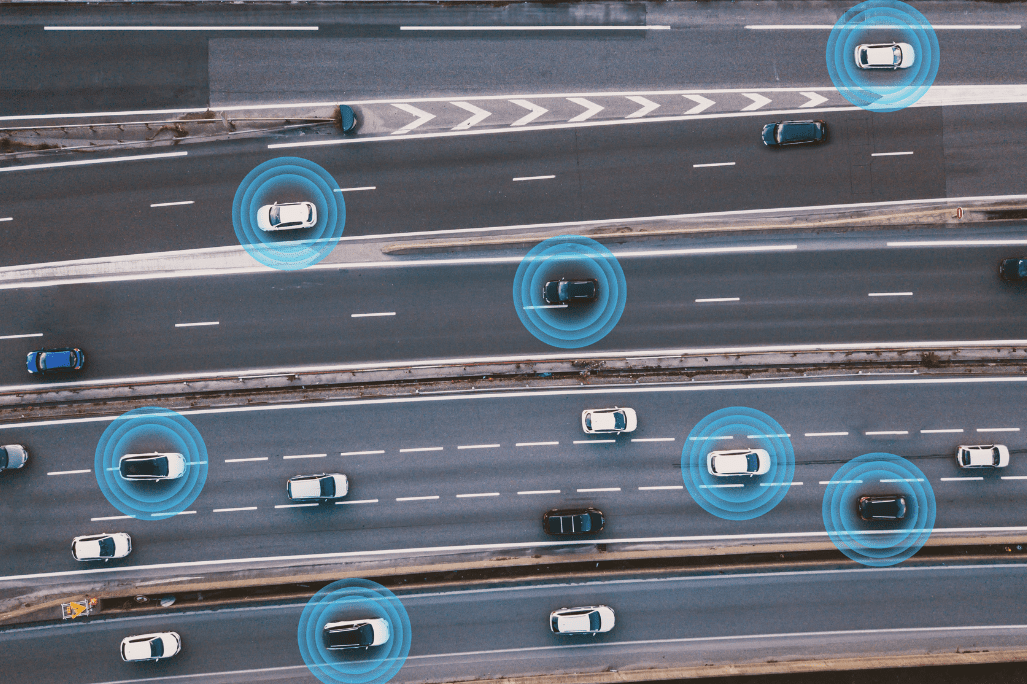
CV2X, short for Cellular Vehicle-to-Everything, is a communication system that lets vehicles share data with traffic signals, roadside units, other vehicles, and even smartphones. Unlike older systems that rely on line-of-sight or short-range communication, CV2X uses cellular networks to transmit critical safety information quickly and reliably. This enables drivers and automated systems to receive alerts about upcoming hazards before they are visible.
Cities such as Phoenix, AZ, have already tested these capabilities by pairing roadside units with onboard systems to enable emergency vehicle preemption. These early deployments show how CV2X is becoming the backbone of intelligent transportation systems.
Real-Time Warnings That Prevent Crashes
One of the clearest benefits of CV2X technology is its ability to deliver real-time safety alerts. A vehicle can warn a driver about a pedestrian stepping into a crosswalk, another car braking suddenly ahead, or a red light violation at an intersection. These split-second alerts give road users more time to react, significantly reducing the risk of collisions and improving pedestrian safety in high-traffic areas.
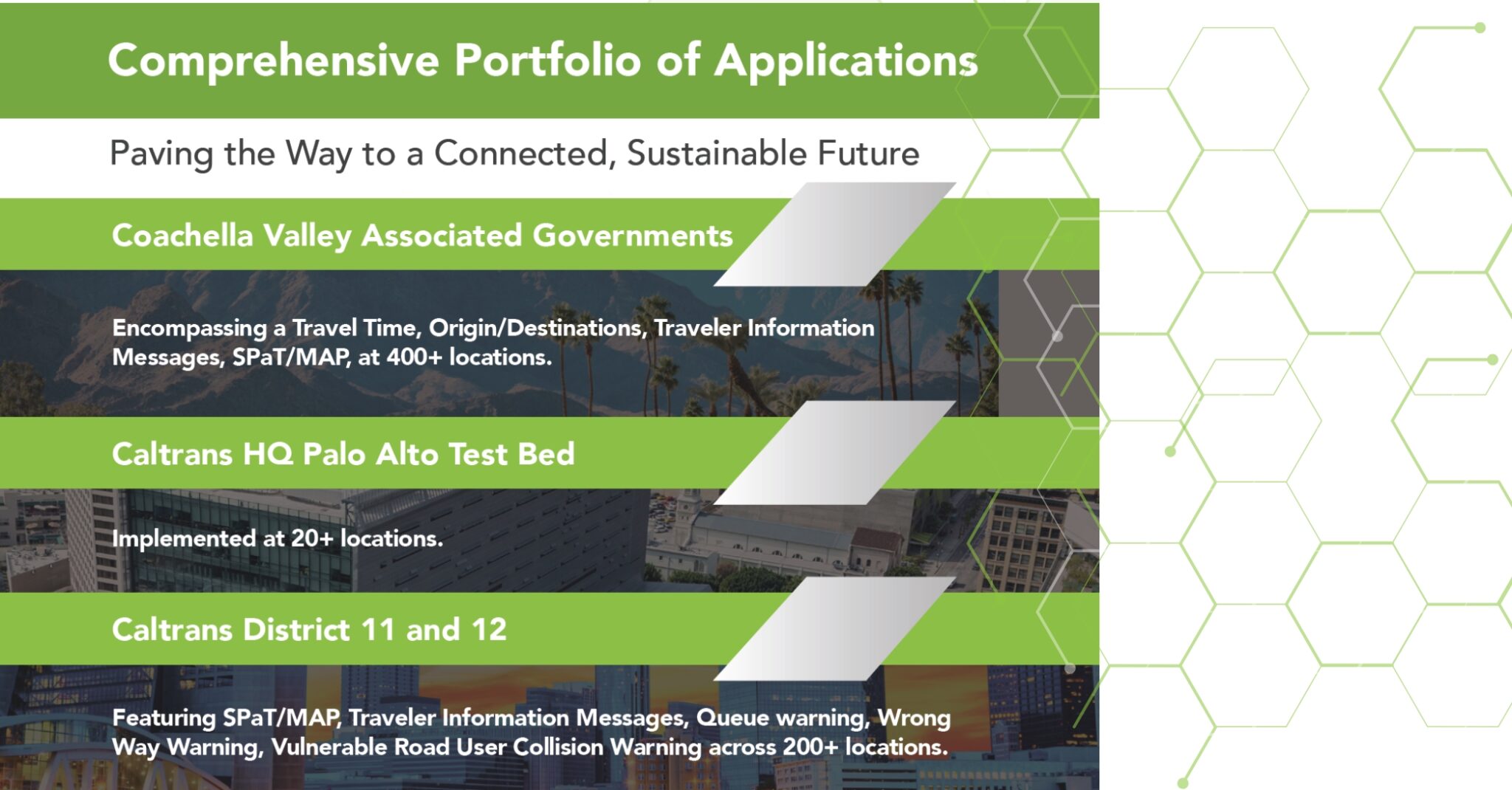
Western Systems has worked with Caltrans to deploy pedestrian-focused CV2X safety measures across hundreds of intersections, improving safety for vulnerable road users such as cyclists and pedestrians.

Smarter Intersections for Better Traffic Flow
CV2X also supports adaptive signal control by sharing live traffic data between vehicles and signal systems. For example, if a large number of vehicles approach an intersection at once, traffic signals can adjust their timing automatically to prevent bottlenecks. This helps optimize traffic flow, reduce delays, and keep intersections safer for all road users.
In Coachella Valley, Western Systems implemented CV2X technology at more than 400 locations. The result: reduced travel times, improved corridor performance, and more efficient freight and commuter movement across the region.
Enhanced Emergency Response
Emergency vehicles benefit greatly from CV2X-enabled intersections. Fire trucks, ambulances, and police vehicles can send priority requests to traffic signals, clearing their path and reducing response times. Faster emergency response not only saves lives but also prevents secondary crashes caused by confusion or sudden traffic stops.
Preparing for Connected and Autonomous Vehicles
CV2X technology is a cornerstone of future transportation systems. As more connected and autonomous vehicles hit the road, CV2X ensures they can communicate seamlessly with existing infrastructure. This creates safer conditions for all drivers—human or automated—by reducing blind spots, anticipating risks, and supporting coordinated traffic management.
Cost-Effective Upgrades Using Existing Infrastructure
Agencies do not need to rebuild entire systems to implement CV2X. Many deployments can integrate seamlessly into existing infrastructure, making it a cost-effective solution for traffic safety. Roadside units, signal cabinets, and detection systems can be upgraded with CV2X capabilities, allowing communities to benefit from connected vehicle technology without starting from scratch.

Building Safer Roads with CV2X
CV2X is more than just a connected vehicle technology—it is a practical step toward reducing crashes, improving traffic efficiency, and creating safer roads for everyone. Agencies seeking to modernize traffic safety technology can begin with targeted upgrades that deliver immediate benefits while laying the groundwork for smarter, more connected transportation systems.
Contact Western Systems to learn about how we support CV2X deployments.