
IMSA Forum & Expo 2026 will bring together a wide range of conversations around traffic operations, maintenance, and intersection performance. For Western Systems, Tuesday, July 14, will be a meaningful part of that program, with team members participating in two sessions focused on reliability, technician efficiency, and multimodal detection in real-world agency settings.
Improving Signal Operations with Practical Insight
The day begins with “Improving Signal Reliability and Technician Efficiency Through Smarter Operations,” scheduled for 10:30 a.m. to 11:30 a.m. on Tuesday, July 14. Lee Hansen will be part of that conversation alongside Shaun Alford, with the session centered on a topic that matters to nearly every agency managing signal infrastructure: how to make operations more reliable and give technicians better visibility into what is happening in the field.
That topic fits naturally with Lee’s background. His experience includes traffic engineering, signal deployment and integration, connected vehicle work, and public works coordination, all of which shape a practical view of how systems need to perform day after day, not just during initial deployment.
A Closer Look at Clackamas County’s Detection Upgrade
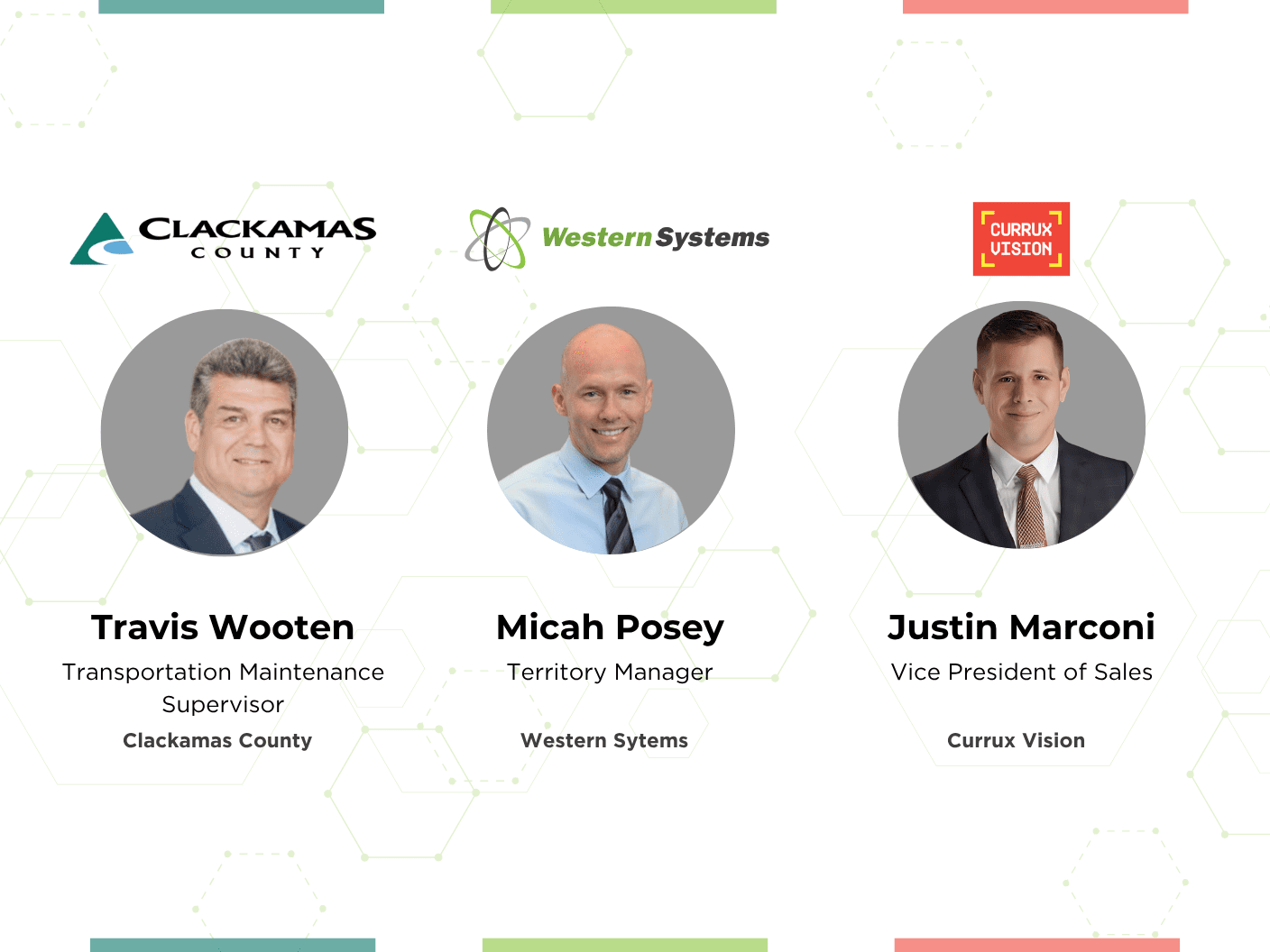
Later that afternoon, Western Systems’ Micah Posey will join Travis Wootan and Justin Marconi for “Enhancing Intersection Reliability and Safety Through Vision-Based Multimodal Detection in Clackamas County,” scheduled for 2:15 p.m. to 3:15 p.m. Rather than staying at a high level, this session is built around an actual county project, giving attendees a closer look at how an agency approached detection upgrades in the field and what that work looked like in practice.
According to the session abstract, Clackamas County upgraded five intersections with an AI-driven, vision-based multimodal detection platform to improve reliability, accuracy, and day-to-day operations for field technicians and signal maintenance teams. The deployment addressed issues such as occlusion, snow and ice interference, and inconsistent pedestrian calls, all of which can directly affect both safety and intersection performance.
Field Lessons That Support Reliability and Safety
What makes this session especially useful is that it goes beyond describing the technology at a high level. The presentation will walk through camera selection and placement, the use of bullet and fisheye views, field calibration, controller integration, and real-time validation at go-live. It will also cover how detection zones were aligned with existing timing plans, how false calls were reduced, and how continuous data now helps support proactive maintenance and troubleshooting.
For agencies, those details matter because they directly affect everyday outcomes: more dependable actuation, clearer visibility into intersection behavior, and better support for technicians who keep systems running well. The abstract also notes improvements in vulnerable road user detection and more consistent operation during peak congestion.
Perspectives Shaped by Real Agency Work
One reason this afternoon’s session stands out is the mix of people involved. Travis Wootan brings long-term county maintenance and traffic operations experience, including leadership around detection upgrades and signal system performance. Micah Posey’s role adds the perspective of someone who works directly with engineers, technicians, and agency teams across Oregon and Southern Washington to help move advanced traffic and ITS deployments from planning to installation and long-term use.
That combination gives the session a grounded tone. It is not just about what was installed, but about how the work was carried out, how it supports agency goals, and what others can take from the experience.
A Strong Addition to the IMSA Tuesday Program
Together, these two sessions offer a useful thread through the day. The morning presentation looks at smarter operations and technician efficiency at a system level, while the afternoon session shows how those ideas play out at the intersection through a county-led deployment focused on safety and reliability.
Register for IMSA Today
For Western Systems, it is a chance to be part of conversations that reflect the work agencies are already doing: improving uptime, strengthening detection, supporting safer crossings, and making field operations more manageable over time. If you will be at IMSA Forum & Expo 2026, these are two sessions worth planning around. To learn more about Western Systems before the show, visit westernsystems-inc.com.