
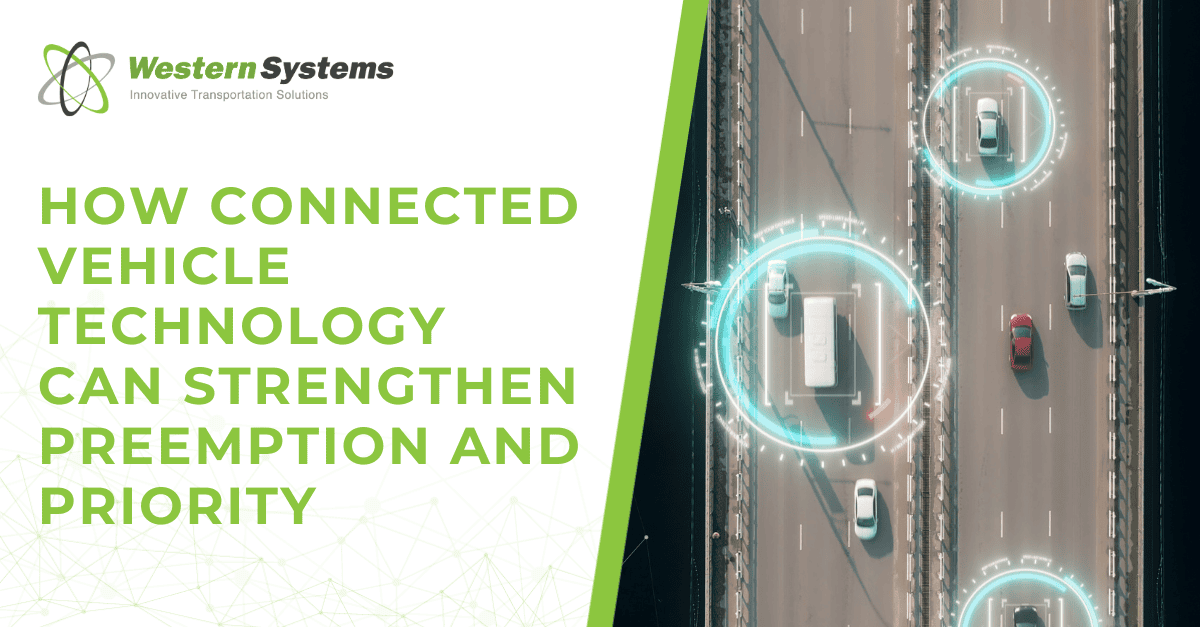
Connected vehicle technology is helping agencies make preemption and priority more coordinated, more visible, and more reliable.
For cities, counties, and DOTs, the goal is not just to move one vehicle through a green light. It is to help emergency responders travel more safely, keep buses on schedule, improve corridor performance, and give traffic teams better information at the intersection level. Roadside communication equipment, such as the Yunex Traffic RSU2X roadside unit, can support that work by connecting vehicles, signal infrastructure, and agency systems in real time.
Preemption Needs Earlier, More Reliable Communication
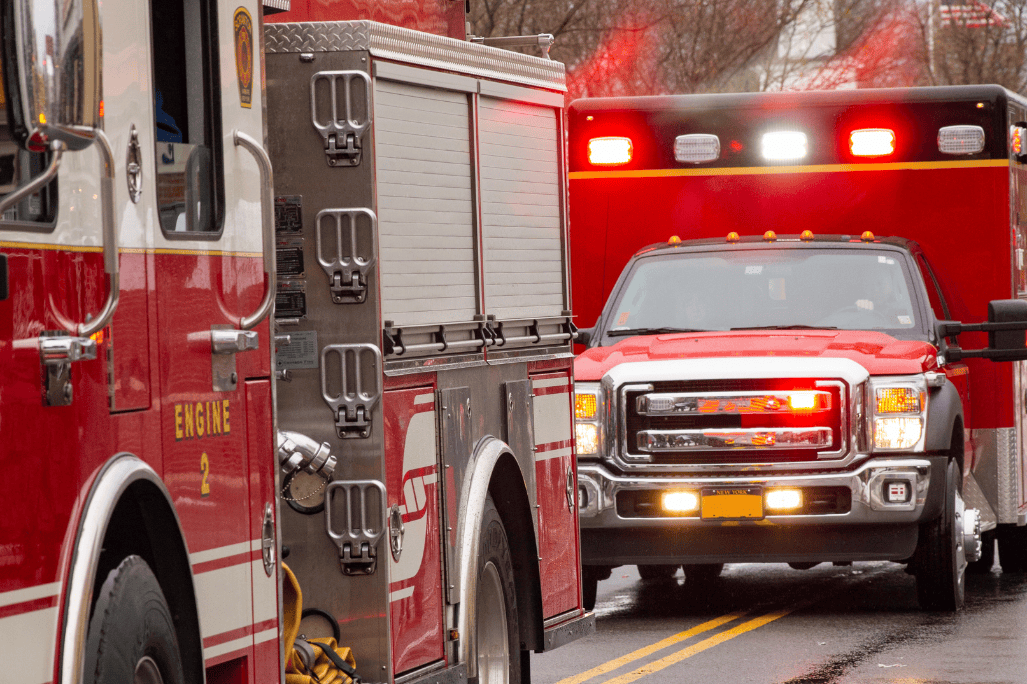
Emergency vehicle preemption depends on timing, accuracy, and trust. When a fire truck or ambulance approaches a signalized intersection, the system needs to recognize the request early enough to support safer movement through the corridor. Delayed or inconsistent communication can create unnecessary friction for responders and traffic operations teams.
Connected vehicle technology can strengthen preemption by helping roadside infrastructure communicate directly with equipped vehicles. A roadside unit can receive vehicle messages and support communication between the intersection and approaching onboard units. That added layer of awareness can help agencies plan for safer, more consistent preemption activity.
Priority Works Best When It Is Applied With Context
Transit signal priority, freight priority, and other priority applications are designed to improve reliability without disrupting the full signal coordination plan. A bus that loses time at several intersections can quickly fall behind schedule. A freight route with inconsistent progression can increase queueing, idling, and driver frustration.
Connected vehicle systems can help agencies apply priority more effectively. Instead of treating every request as a simple on-or-off event, the system can support communication tied to vehicle type, approach, movement, and corridor needs. This helps traffic teams improve travel-time reliability while balancing cross-street traffic, pedestrian phases, and overall intersection performance.
The Roadside Unit Becomes the Link Between Vehicles and Infrastructure
The Yunex Traffic RSU2X roadside unit serves as a communication and application hub between roadside infrastructure and onboard units. In practical terms, it helps the intersection send and receive information, such as vehicle messages, signal-related data, and traffic conditions. That connection is what allows connected vehicle applications to move from concept to field operation.

For agencies, this matters because preemption and priority depend on dependable communication at the roadside. The RSU2X supports both DSRC and C-V2X environments, giving agencies flexibility as connected vehicle deployments continue to evolve. That dual-mode capability can be valuable for public agencies planning for current standards, future upgrades, and mixed-vehicle environments.
Detection and Connected Vehicle Data Strengthen Each Other
Detection remains a core part of intersection management. Cameras, sensors, and other detection tools help agencies understand vehicle presence, pedestrian movement, bicycle activity, queues, and turning patterns. Connected vehicle data can add another view by helping identify equipped vehicles before they reach the stop bar.
When these tools work together, agencies gain a more complete picture of what is happening at and near the intersection. Detection may show what is physically present in the lanes, while the roadside unit can help support communication with approaching vehicles. That combined view can improve signal coordination, support smoother preemption calls, and make priority decisions more precise.
Edge Processing Helps Support Busy Corridors
A connected corridor can generate a high volume of messages, especially in areas with heavy commuter traffic, transit activity, freight movement, or emergency response routes. Agencies need roadside equipment that can process information quickly and consistently without creating new operational headaches. This is especially important when the goal is to improve system uptime and reduce unnecessary field maintenance needs.
The RSU2X is designed with edge computing capabilities, allowing key information to be processed closer to the intersection. For traffic teams, this can support faster communication, better visibility, and more responsive connected vehicle applications. It also helps agencies think beyond one intersection and toward coordinated corridors that can support more advanced traffic management over time.
Reliable Infrastructure Makes Connected Applications Work
Connected vehicle technology still depends on the basics: dependable signal cabinets, clean power, communications readiness, and field equipment that can withstand real operating conditions. A roadside unit may be the communication hub, but the surrounding infrastructure determines how well the system performs day after day. That is why cabinet planning, backup power, and agency-specific configurations remain important.
Western Systems supports connected vehicle deployments alongside preemption, detection, traffic signal cabinets, and backup power systems. This helps agencies look at the entire intersection, not just a single device. When these pieces are planned together, the result is a stronger foundation for preemption, priority, and long-term corridor reliability.
Building Connected Corridors Around Public Benefit
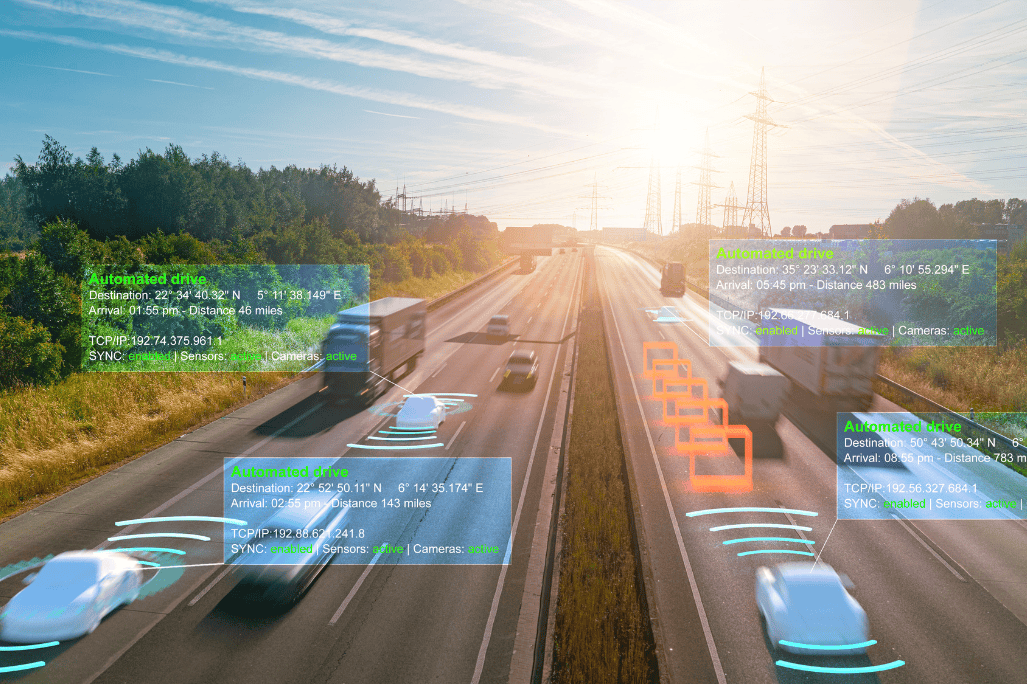
The value of connected vehicle technology shows up in practical ways. Emergency vehicles can move with better signal support. Transit agencies can improve schedule reliability. Traffic teams can gain better visibility into system activity. Drivers, pedestrians, cyclists, and agency crews benefit from corridors that are easier to manage and more responsive to real conditions.
For agencies evaluating preemption, detection, or connected vehicle upgrades, the next step is to consider how these systems can work together across the corridor. Western Systems helps public agencies plan and support connected vehicle infrastructure, including roadside communication equipment, signal cabinet integration, detection, and preemption solutions. To learn more, contact the Western Systems team to discuss your next corridor project.