
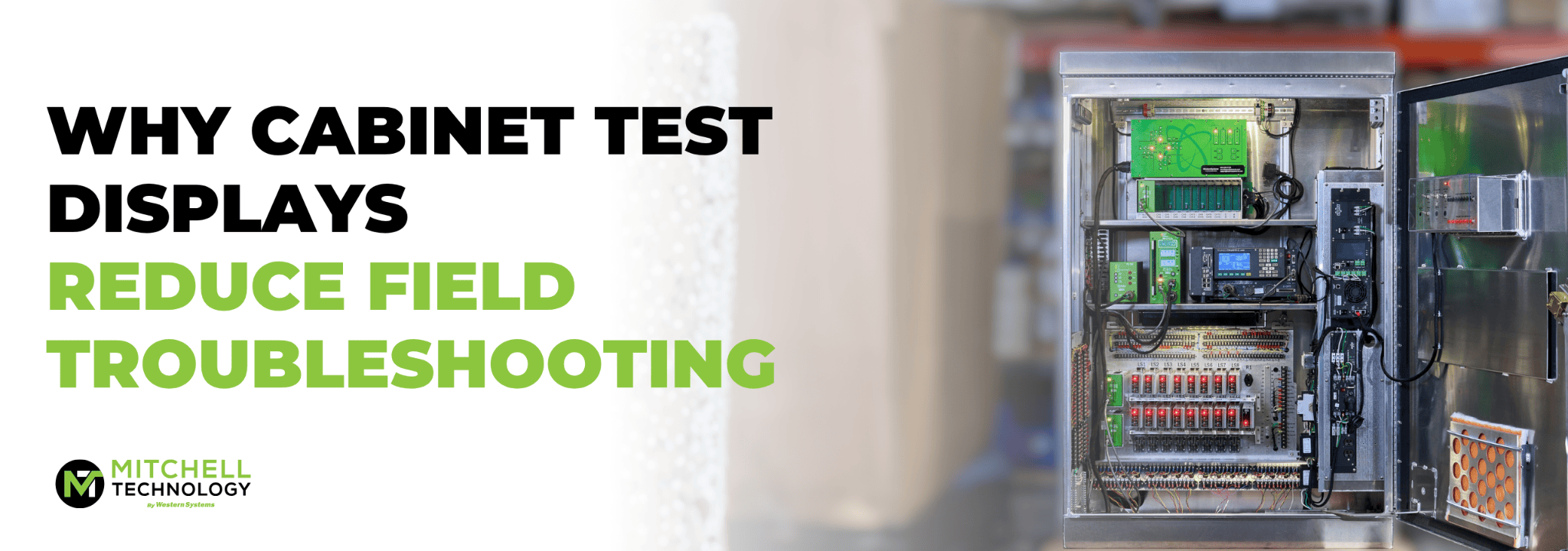
Traffic signal cabinets do not always fail in obvious ways. For agency teams, a clear cabinet testing display can make it easier to understand what is happening inside the cabinet before a technician makes a field visit.
Turning Cabinet Activity Into Something Technicians Can See
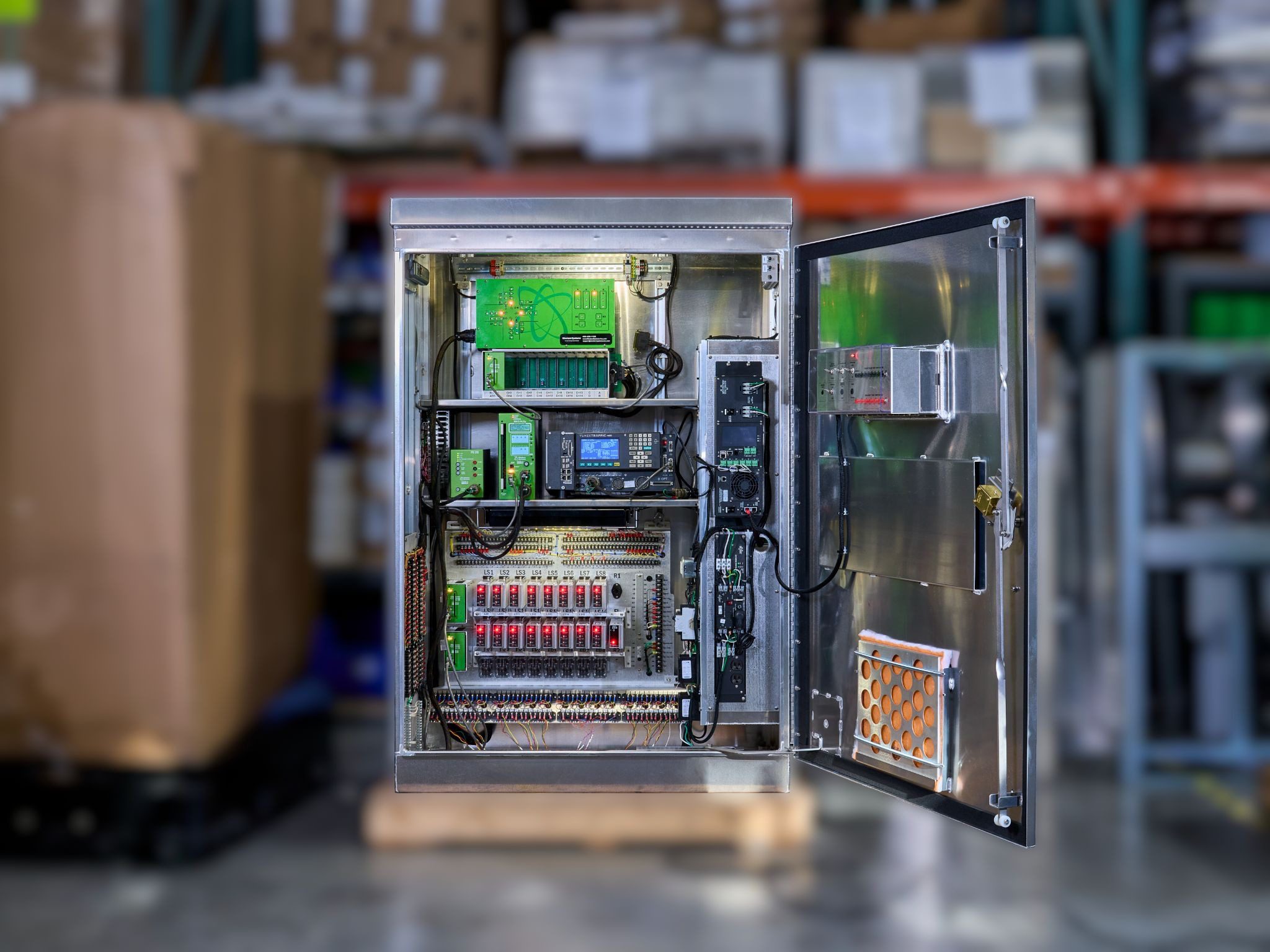
Traffic cabinets manage a lot of activity at once, including phases, overlaps, pedestrian indications, flashing yellow arrows, and other intersection outputs. When that activity is hard to see, troubleshooting can quickly become a process of checking wires, reviewing controller behavior, and narrowing down possible causes one step at a time.
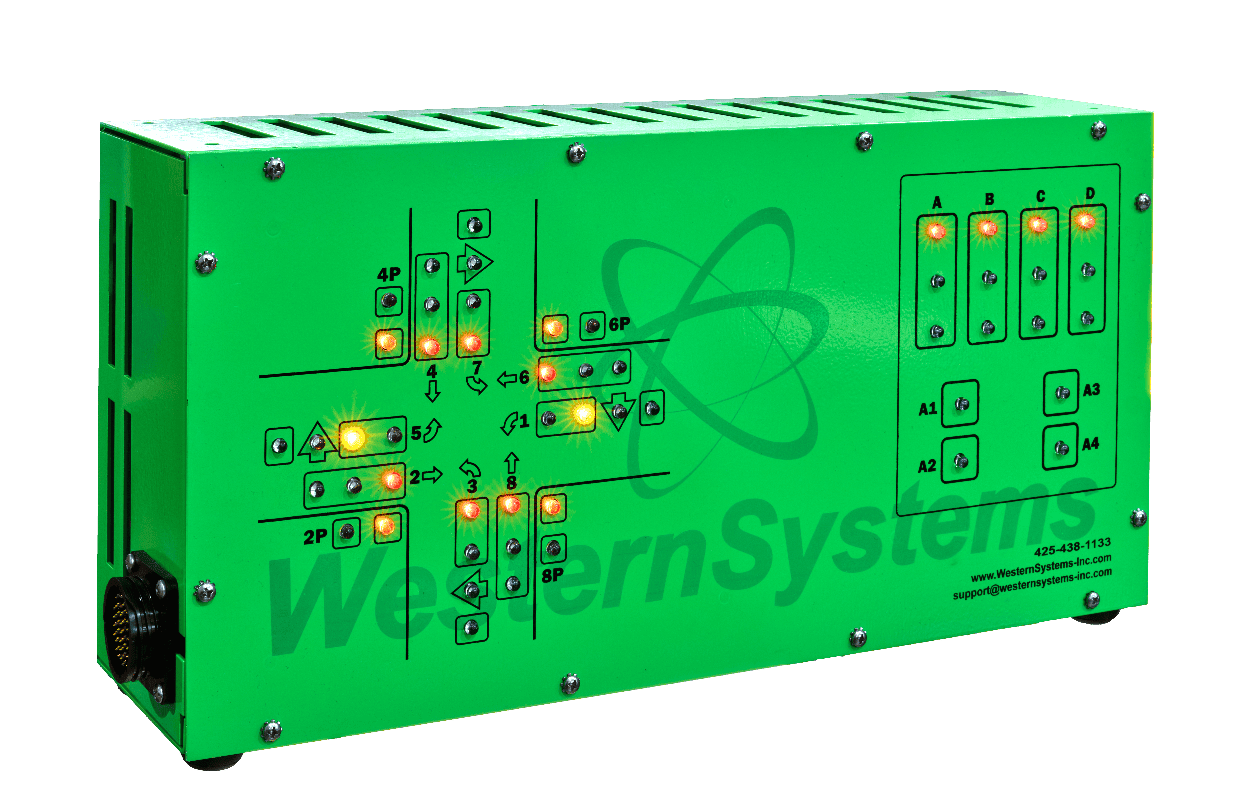
A cabinet testing display provides technicians with a visual reference of what the cabinet is doing. Instead of relying only on assumptions or scattered readings, the team can see signal output activity in a more organized way. That added clarity helps agencies identify whether the issue is tied to cabinet operation, signal timing, field wiring, or another part of the intersection system.
Supporting Faster Troubleshooting Before a Field Visit
Field visits take time, especially when an agency is responsible for intersections across a large city, county, or regional network. A technician may need to travel across town, coordinate access, inspect cabinet components, and recreate an issue under real operating conditions. When the cause is unclear, one visit can turn into several.
Cabinet testing displays help agencies do more diagnostic work before sending a crew into the field. During shop testing, burn-in, or cabinet preparation, staff can verify outputs and confirm expected behavior in a controlled environment. This can reduce guesswork and help technicians arrive on site with a clearer plan, the right tools, and a better understanding of what needs to be checked.
Improving Confidence During Cabinet Buildouts and Testing
Before a cabinet is placed into service, agencies and contractors need confidence that it will operate as expected. That means more than powering it on. It means confirming that the cabinet responds correctly, displays the right signal activity, and supports the intersection layout it is intended to serve.
Testing displays make that process more practical. They allow teams to review cabinet performance during demonstration, testing, and burn-in periods before deployment. For agencies managing traffic signal cabinet upgrades, this step helps maintain system uptime by catching configuration or output issues earlier in the process, when they are easier to address.
Matching the Display to the Cabinet Environment
Not every agency tests the same cabinet configuration. Some teams may be working with an ATC cabinet testing display for newer controller environments, while others may need a NEMA cabinet testing display or a Caltrans cabinet testing display to support existing standards across their signal network. In each case, the goal is the same: give technicians a clearer view of cabinet outputs before the equipment reaches the field.
An LED cabinet testing display can make phase activity, pedestrian indications, flashing yellow arrows, and other signal outputs easier to verify during shop testing or demonstration. For agencies with unique layouts or project requirements, a custom cabinet testing display can also be configured around a specific cabinet type, intersection layout, or operational need. That flexibility helps testing feel less generic and more connected to how the cabinet will actually perform once installed.
Reducing Field Maintenance Friction
Troubleshooting is not only about finding a fault. It is also about helping agency teams use their time well. Every unnecessary field visit affects scheduling, staff availability, response times, and the ability to stay ahead of other maintenance needs across the network.
By making cabinet behavior easier to verify, testing displays can support more efficient maintenance planning. Technicians can confirm whether a cabinet is ready for deployment, whether an output is behaving as expected, or whether further inspection is needed before the cabinet reaches the intersection. Over time, that kind of visibility can help agencies reduce avoidable disruptions and protect corridor performance.
Supporting Custom Needs as Traffic Systems Evolve
Traffic operations continue to change as agencies add new detection systems, update cabinet standards, improve signal coordination, and prepare intersections for future technology. Testing tools need to keep pace with those changes. A display that worked for one cabinet style or intersection layout may not be the right fit for the next project.
Under Western Systems’ care, Mitchell Technology’s cabinet testing displays have continued to evolve to meet agency needs. Some projects begin with familiar display configurations, while others require fully custom builds developed around a specific cabinet, signal plan, or operational requirement. That adaptability helps agencies maintain consistency while still addressing the practical realities of each project.
https://mitchelltechnology-inc.com/
Helping Agencies Keep the Public Moving
Western Systems works with agencies to support reliable traffic signal cabinet operations, from cabinet configuration and testing to backup power, detection, and connected intersection technologies. To learn more about cabinet testing displays or discuss a custom display for an upcoming project, contact Western Systems or connect with the Mitchell Technology team.