
When the power goes out, a traffic signal cabinet becomes one of the most important pieces of infrastructure at the intersection. What happens inside that cabinet can determine whether traffic continues moving safely, shifts into flash, or requires an urgent field response.
The Cabinet Protects the Intersection’s Core Operations
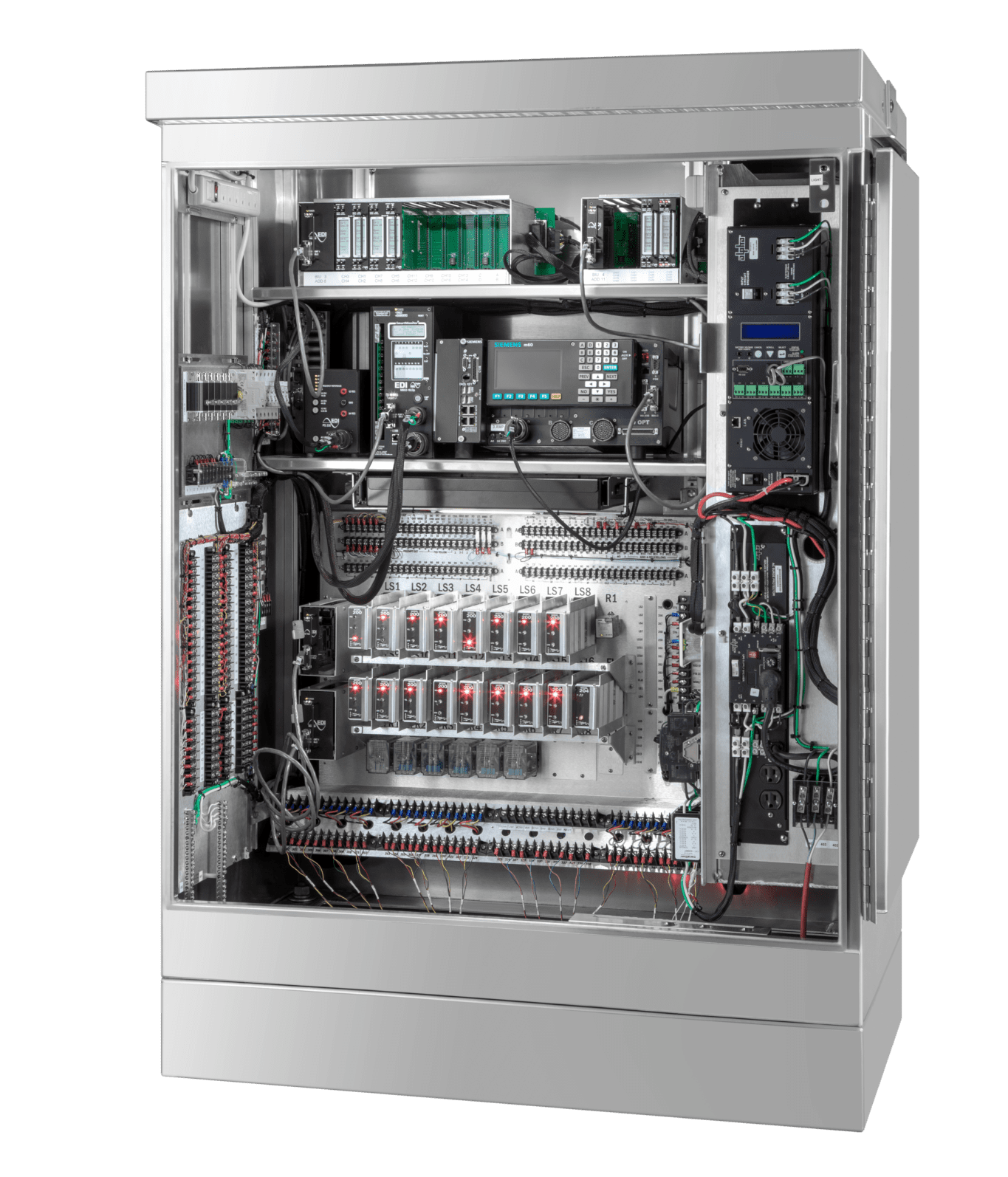
A traffic signal cabinet houses the equipment that helps an intersection operate, including the signal controller, load switches, detection connections, communication equipment, and other ITS components. During normal conditions, these systems work together to manage signal timing, vehicle detection, pedestrian phases, and coordination with nearby intersections.
When utility power is interrupted, the cabinet has to respond quickly. A well-planned cabinet configuration helps protect sensitive electronics, reduce disruption, and support a safer operating mode until power is restored or field crews arrive.
Backup Power Helps Keep Signals Running
At intersections equipped with a battery backup system, the cabinet may continue operating after utility power is lost. This helps agencies avoid dark intersections, reduce the need for immediate manual traffic control, and maintain safer movement through key corridors.
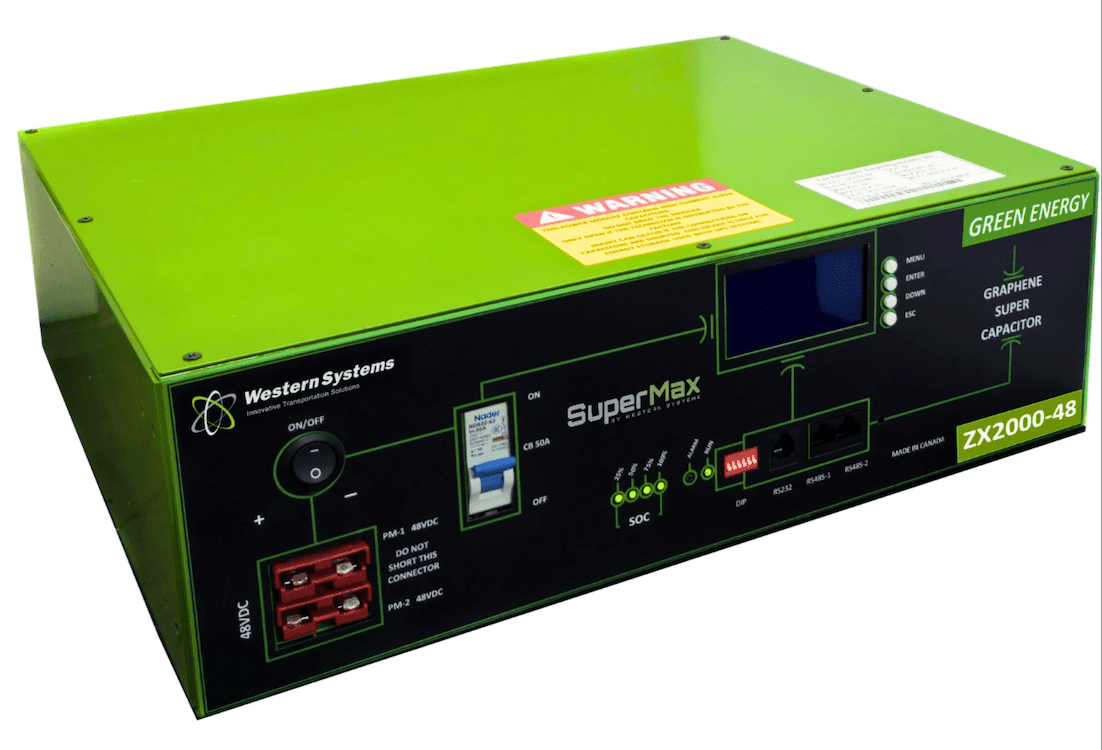
Backup power is especially important at high-volume arterials, emergency routes, school zones, and intersections with limited sight distance. Even a short outage can confuse drivers, pedestrians, cyclists, and first responders if the signal loses power without a reliable transition plan.
The Signal May Continue Normal Timing or Move Into Flash
Depending on the cabinet design, battery capacity, agency standards, and outage conditions, the intersection may continue operating under normal signal timing for a period. In other cases, the signal may transition into flash to conserve power or follow the agency’s outage protocol.
This decision is not random. Traffic engineers and signal technicians plan these operating modes around intersection safety, corridor performance, and available backup runtime. The goal is to keep the intersection predictable, even when the power grid is not.
Detection and Communications May Be Affected
A power outage can affect more than just the red, yellow, and green indicators. Detection technology, communications hardware, remote monitoring devices, and connected systems may also depend on stable cabinet power.
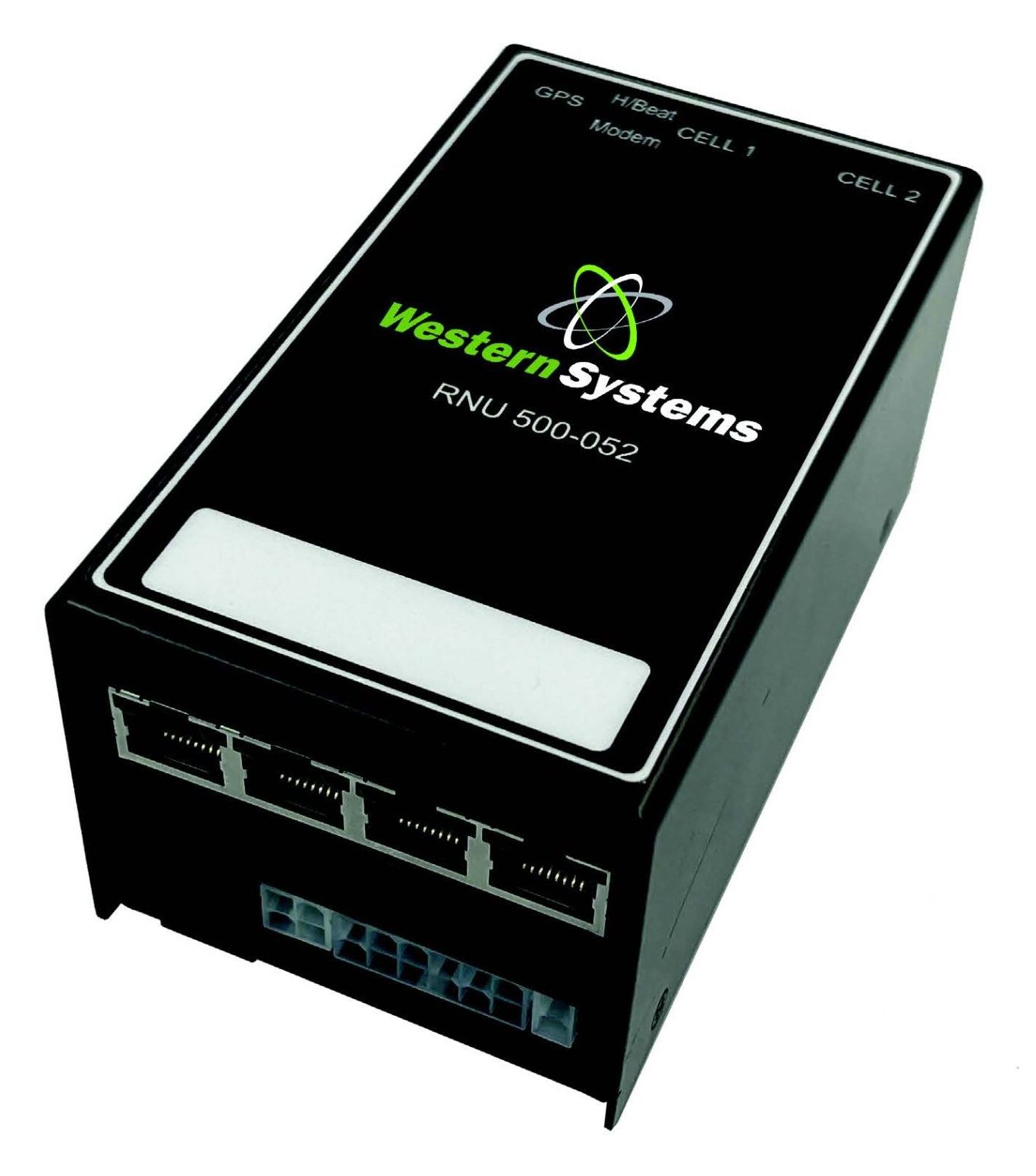
When these systems lose power, agencies may lose visibility into intersection status, vehicle calls, or corridor coordination. That can make it harder to know which locations need attention first. Cabinets designed with backup power, communications support, and organized internal layouts can help maintenance teams respond with better information and fewer unnecessary field visits.
Field Crews Need Safe, Practical Access
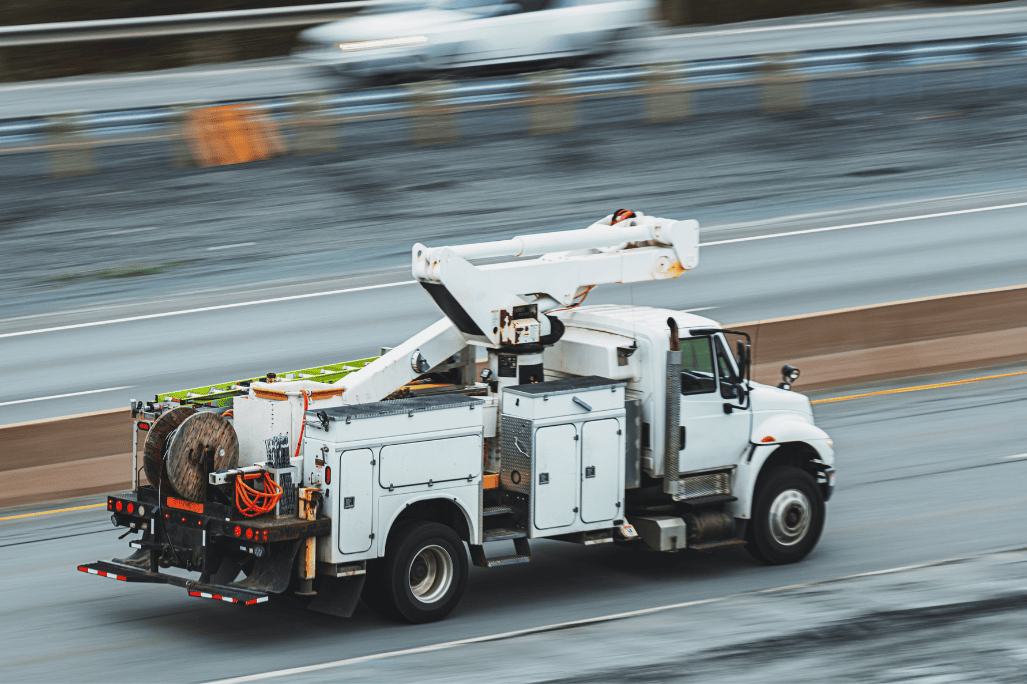
During an outage, signal technicians may need to inspect the cabinet, connect temporary power, check battery status, or troubleshoot the intersection. Cabinet layout matters in these moments because crews are often working near live traffic, in poor weather, or during peak travel periods.
Clear access to power components, organized wiring, and practical maintenance compartments can reduce time at the roadside. For agencies that support both worker safety and faster restoration of normal operations.
Cabinet Design Can Reduce Long-Term Maintenance Pressure
Power outages reveal how well an intersection is prepared, but the benefits of a strong cabinet design show up year-round. Durable enclosures, proper ventilation, clean internal organization, and options for integrated backup power can all support long-term system uptime.
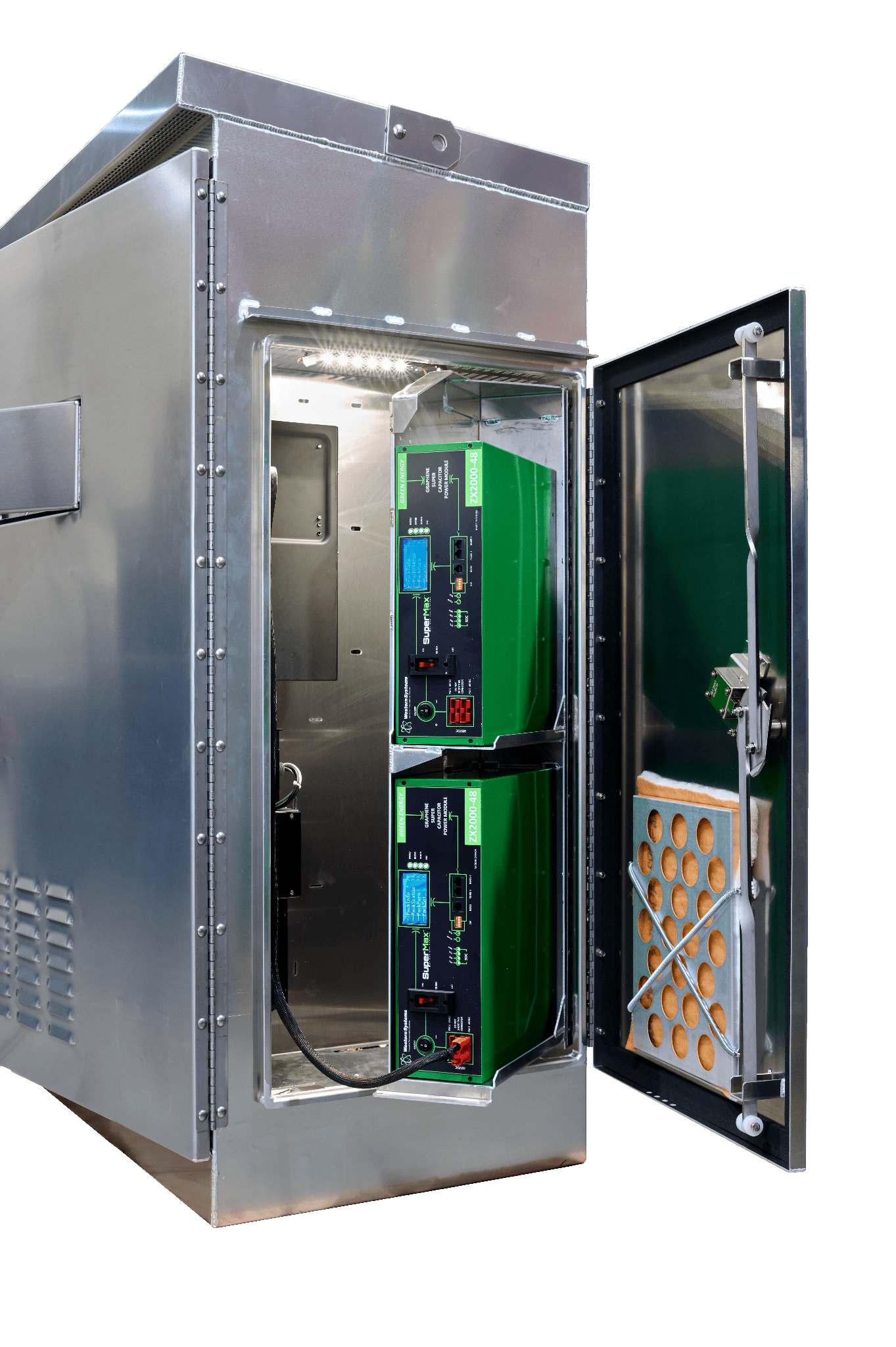

Western Systems designs, builds, and implements custom NEMA traffic signal cabinets in its Washington state facility to meet agency needs, including cabinets that support TS1 and TS2 applications, backup power integration, detection equipment, and other ITS infrastructure. The value is not just in the cabinet itself, but in helping agencies plan around real field conditions, limited maintenance capacity, and long-term reliability.
Reliable Cabinets Support Safer Community Movement
For the public, a power outage at a signalized intersection is not a technical event. It is a safety and mobility issue that affects school drop-offs, freight movement, emergency response, transit reliability, and the daily commute.
When agencies invest in well-designed traffic signal cabinets and backup power planning, they strengthen the intersection before the next outage occurs. That preparation helps reduce confusion, limit signal downtime, and keep communities moving with more confidence during unexpected disruptions.
Planning for More Resilient Intersections
Power outages will continue to challenge transportation networks, especially as agencies manage aging infrastructure, severe weather, and growing demand on key corridors. Traffic signal cabinets play a direct role in how well an intersection responds when utility power is lost.
To learn more about traffic signal cabinets, backup power integration, and cabinet configurations that support long-term reliability, contact Western Systems today.