Yunex Traffic Tactics
TACTICS is a modular, full-featured traffic control system that complies with industry...

Advanced Transportation Management Systems (ATMS) help cities identify, reduce, and control traffic congestion. These systems have the potential to improve everything from traffic flow to worker productivity, even quality of life.

ATMS are an integral part of addressing current and future traffic challenges. Our ATMS provide real-time traffic monitoring, dynamic message signs, graphical displays, incident monitoring, and advanced communication devices to help entities manage their traffic, creating a smoother, safer flow.
Implemented correctly, ATMS have the potential to:
Western Systems offers the following products in our ATMS solutions:
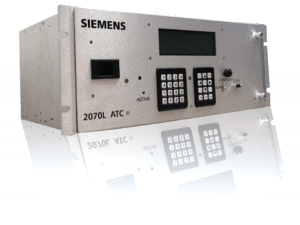
Traffic Controllers
Local Intersection Software
TACTICS is a modular, full-featured traffic control system that complies with industry...
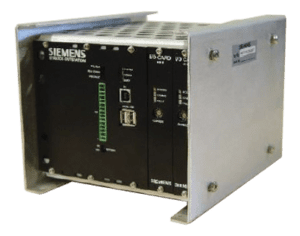
NEMA Controller Adaptor for SCOOT
The flexible platform for integrated solutions
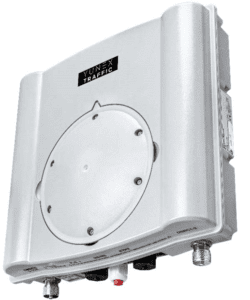
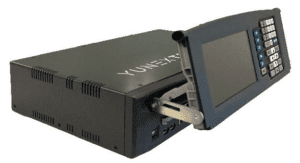
High Performance IoT Field Device
Advanced Traffic Management Systems (ATMS) is a centralized platform that integrates traffic signals, detection devices, dynamic message signs, and advanced communication tools into a single interface. By monitoring traffic in real time, agencies can adjust timing plans, coordinate signal corridors, and respond quickly to incidents. For residents, this translates to smoother flows at intersections, reduced congestion, and more predictable commutes that save time and fuel.
Local control systems, housed in traffic signal cabinets, operate intersections independently but can also be linked to regional ATMS platforms. This dual functionality ensures resiliency — if communication is disrupted, intersections still function reliably. Local control keeps signals operating consistently for drivers and pedestrians, while the ATMS provides agencies the big-picture view needed to reduce congestion across entire corridors.
Roadside units (RSUs) are the foundation of connected vehicle infrastructure. Installed at intersections, they send and receive safety-critical messages between vehicles and traffic systems. RSUs can deliver red-light violation warnings, pedestrian-in-crosswalk alerts, and emergency vehicle preemption. For the community, this means safer intersections, quicker response during emergencies, and reduced risk of crashes — all while preparing the roadway network for future connected and automated vehicles.
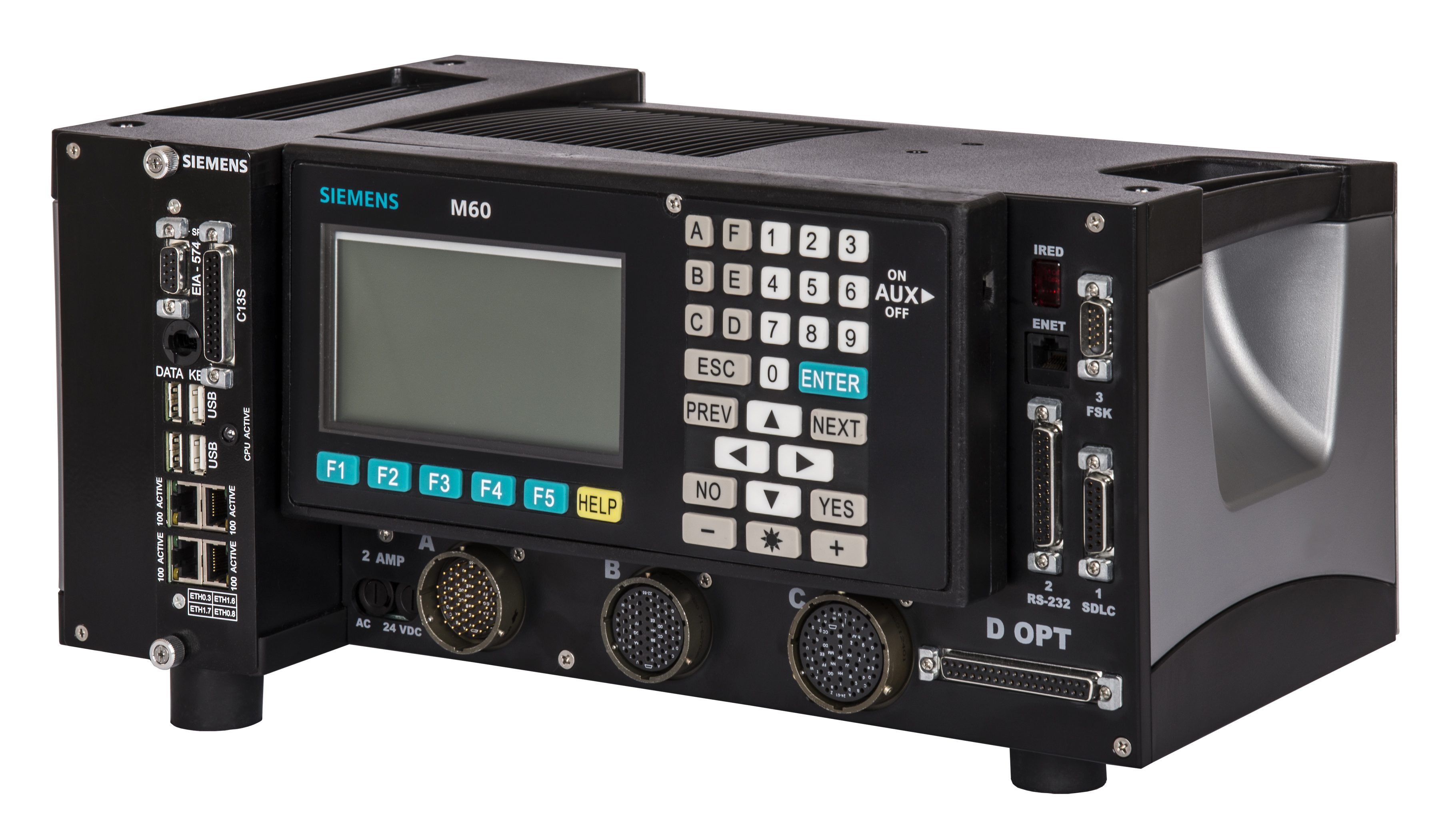
Yes. Western Systems supports Yunex Traffic products, including YuStudio, Tactics, SCOOT, and CONCERT, as well as SEPAC local intersection software and controllers such as the M60 ATC and 2070E (2070-1C). These tools integrate seamlessly with existing ATMS platforms, allowing agencies to modernize incrementally. Cities, like Renton and Federal Way, begin with a single corridor or set of intersections and scale over time, bringing immediate benefits such as improved corridor performance and enhanced pedestrian safety, without overhauling their entire network.
When fully implemented, ATMS create measurable improvements that reach beyond traffic operations. Agencies report reduced congestion during peak hours, quicker recovery from incidents and events, and shorter travel times that boost worker productivity. These systems also cut fuel consumption and vehicle emissions, improving air quality and supporting sustainability goals. For the public, this means safer, healthier, and more efficient travel across the transportation network.