

Roadside Units (RSUs) play a crucial role in modern connected vehicle networks, helping traffic agencies improve road safety, reduce congestion, and build more responsive transportation systems. But how exactly do RSUs work, and why are they essential for the future of mobility?
Here’s how RSUs function within intelligent transportation systems, and how cities and DOTs are using them to support safer, more efficient roads.
RSUs Power Communication Across the V2X Ecosystem

Vehicle-to-Infrastructure (V2I)
RSUs act as the digital link between vehicles and roadside infrastructure. By using short-range wireless signals, like Dedicated Short Range Communication (DSRC) or cellular technologies, RSUs transmit real-time messages to connected vehicles. Deployed at key locations such as intersections, freeway ramps, or major corridors, they share critical data like signal timing, work zone activity, weather alerts, and red-light violation warnings. This V2I connection gives drivers and onboard systems advanced notice of what’s happening on the road ahead.
Vehicle-to-Vehicle (V2V)
While vehicles can communicate directly with each other, RSUs enhance that communication by extending its reach and reliability. Acting as a relay point, an RSU can capture and rebroadcast safety messages—for instance, a sudden brake event or lane departure from a vehicle further up the road but out of visual range. This expanded communication zone improves situational awareness and helps prevent secondary collisions or traffic slowdowns.
Vehicle-to-Pedistrian (V2P)
RSUs also support safety-critical applications involving pedestrians and other vulnerable road users. With inputs from detection systems like video, radar, or thermal sensors, RSUs can issue real-time alerts for pedestrians in crosswalks, bicyclists at intersections, or even mobility device users in shared spaces. Combined with emergency vehicle preemption and curve speed warnings, this capability allows vehicles to respond proactively to dynamic, multi-modal environments.
RSUs Deliver Actionable Data to Traffic Management Systems
Beyond V2X communication, RSUs serve as powerful data conduits for central traffic management systems. They collect real-time information such as vehicle speed, location, and direction of travel. When paired with environmental sensors, RSUs can also relay road surface conditions, temperature, and visibility data. This constant stream of connected vehicle information supports adaptive signal control, congestion management, and corridor performance monitoring—enabling agencies to make informed operational decisions as conditions evolve.
RSU Deployment Strategies Are Phased and Purpose-Driven
Deploying RSUs requires a strategic, location-specific approach. Agencies often begin with high-priority areas, like signalized intersections, transit corridors, school zones, and freight routes where the benefits of vehicle communication are immediate. Over time, deployment plans expand to fill network gaps and support broader vehicle-to-everything (V2X) coverage. These strategies evolve alongside connected vehicle adoption rates, available funding, and agency priorities, allowing cities to scale their infrastructure intentionally and cost-effectively.
Reduce Traffic Congestion and Improve Corridor Reliability
When integrated with adaptive traffic signal systems, RSUs help reduce congestion by enabling better coordination across intersections. Real-time vehicle data allows signal timing adjustments based on actual demand, not preset schedules. This results in smoother traffic flow, fewer stops, and more predictable travel times—especially during peak hours or special events. RSUs support more than just passenger vehicles; they also improve signal priority for transit and emergency vehicles, enhancing overall corridor performance.
A Foundational Component of Intelligent Transportation Systems (ITS)
As more vehicles connect to infrastructure, RSUs are becoming essential to the future of traffic operations. They support the communication technologies that allow transportation agencies to shift from reactive approaches to proactive, data-driven strategies. Whether it’s improving safety, reducing delays, or managing infrastructure more efficiently, RSUs are a key enabler of scalable, resilient, and future-ready mobility networks.
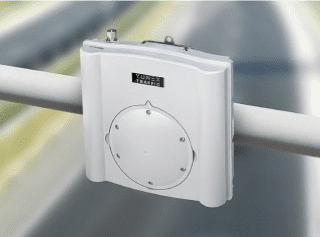
See How RSUs Could Improve Safety and Performance in Your City!
Western Systems partners with public agencies across the western U.S. to design and deploy connected vehicle infrastructure that supports long-term safety, mobility, and traffic management goals. Connect with our team to start planning your RSU strategy today.