

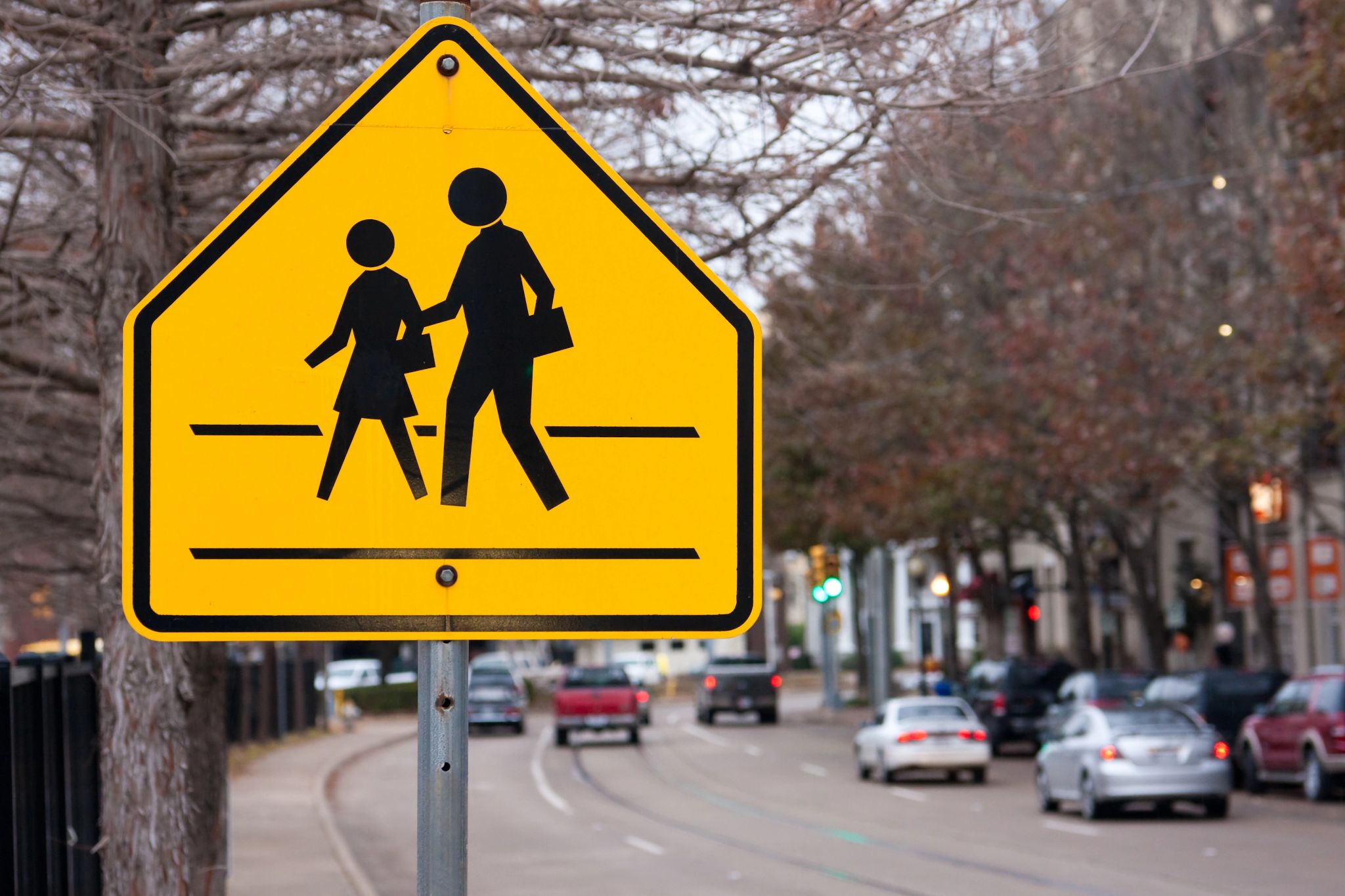
School zones are some of the highest-risk areas for traffic accidents. With distracted drivers, unpredictable pedestrian behavior, and varying traffic patterns throughout the day, ensuring safety requires more than just signage and speed bumps. Implementing smart detection systems can significantly reduce risks and create safer environments for students, parents, and school staff.
The Need for Smarter School Zone Safety
Traditional school zone safety measures, such as static signs and flashing beacons, often fail to capture drivers’ attention. Many motorists become desensitized to them over time, leading to non-compliance. Managing school zone flashers also requires extensive scheduling, monitoring, and maintenance—tasks that can be inefficient without automation. Smart detection systems offer real-time data and dynamic responses, improving compliance, reducing congestion, and streamlining operations.
Real-Time Data for Better Traffic Management
One of the biggest advantages of implementing smart technology in school zones is the ability to collect and analyze real-time traffic data. Smart traffic lights and connected IoT devices monitor vehicle speeds, pedestrian activity, and congestion levels. This information allows transportation systems to adjust signal timing dynamically, improving traffic flow and increasing safety. In areas managing a high volume of school beacons, cloud-based platforms like Glance enable remote scheduling and proactive maintenance, reducing the time required for manual programming and system checks.
Radar Speed Signs for Instant Feedback
Speeding is one of the top causes of accidents in school zones. Radar speed signs, such as the SpeedCheck-18 Radar Speed Sign, provide instant feedback to drivers, alerting them when they exceed safe speeds. Studies show that real-time feedback leads to a measurable reduction in vehicle speeds, making streets safer for pedestrians and cyclists.
AI-Powered Smart Traffic Lights
Artificial intelligence is transforming how traffic is managed in urban and suburban areas. AI-powered smart traffic lights can detect traffic conditions and adjust signal timing accordingly. In school zones, these systems prioritize pedestrian crossings during peak hours and optimize traffic flow to minimize bottlenecks. AI-driven systems reduce congestion and improve public safety by making data-driven decisions in real time.
Cloud-Based School Zone Flasher Management
Managing a large network of school zone beacons is a major challenge for municipalities. Washington County, Oregon, for example, struggled with maintaining 150 beacons on a pager-based system. Flashers had to be programmed manually, which took weeks, and maintenance teams relied on public complaints to detect failures. Western Systems helped implement a cloud-based monitoring system that streamlined scheduling, enabled remote maintenance, and reduced public complaints from 50 per year to fewer than 10. Upgrading to smart systems not only improves safety but also increases efficiency for municipalities managing large-scale infrastructure.
Smart Detection for Cyclists and Pedestrians
Many students bike or walk to school, making pedestrian and cyclist detection crucial. YUBike uses smart sensors to identify approaching cyclists and trigger traffic signals to ensure safe crossings. This technology prevents accidents by making cyclists more visible to both drivers and automated traffic systems.
The Role of Connected Vehicle Technology
With the rise of autonomous vehicles and vehicle-to-infrastructure (V2I) communication, school zone safety is evolving rapidly. Smart detection systems can communicate with vehicles equipped with CV2X technology, alerting drivers of school zones, pedestrian crossings, and speed limits before they even see a sign. This type of integration improves reaction times and enhances overall traffic safety.
Implementing Smart Solutions for Long-Term Benefits
Cities and municipalities must prioritize smart traffic management solutions to improve quality of life and ensure long-term safety in school zones. Investing in these technologies not only increases safety but also future-proofs transportation systems as smart cities become the norm. Remote monitoring and automation allow agencies to respond to emergencies and schedule updates instantly, ensuring school zone safety adapts to real-world conditions.

Take Action to Improve School Zone Safety
Enhancing school zone safety with smart detection systems is no longer an option—it’s a necessity. Western Systems partners with cities and transportation agencies to provide innovative, customized solutions designed for real-world challenges.
Contact our team today to explore how our smart traffic technologies can enhance safety, improve efficiency, and reduce maintenance burdens in your community. Let’s work together to create safer, smarter school zones for everyone.