

Cities and transportation agencies face a pressing question: where should connected vehicle technology be deployed first? With limited budgets and high expectations, agencies must focus on intersections where upgrades will have the greatest impact on safety, efficiency, and community benefits.
1. High-Crash Intersections
Locations with a history of repeated collisions are natural candidates for connected vehicle upgrades. By integrating adaptive signal control and smart intersections that communicate with vehicles in real time, agencies can reduce red-light running and improve driver response times. Tools like the Yunex Traffic RSU Connected Vehicle unit enable direct vehicle-to-infrastructure (V2I) communication, helping drivers receive alerts about signal changes or potential hazards. Data collected from these locations also helps identify patterns, guiding long-term traffic management strategies.
2. Corridors with Heavy Traffic Volumes
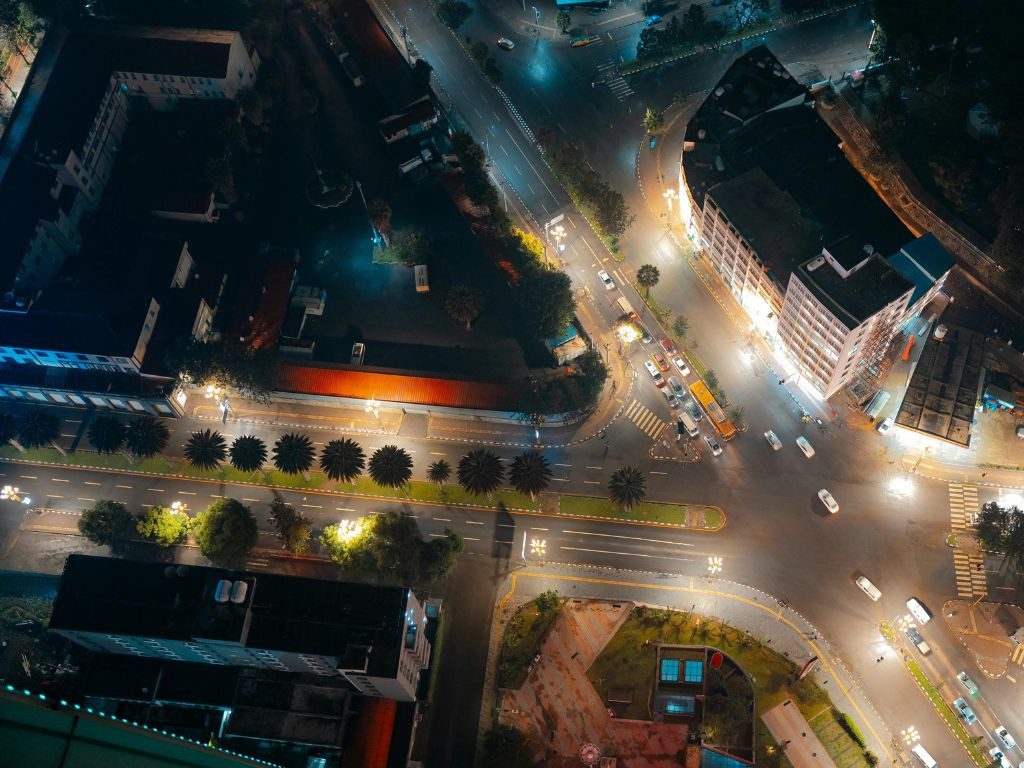
Busy intersections on arterial roads often experience recurring congestion. Connected vehicles and adaptive signals can optimize traffic flow by adjusting timings based on demand, reducing travel delays for all road users.
Systems like the AI-Based Detection and Actuation System combine real-time detection with predictive analytics, ensuring green phases are allocated efficiently. These upgrades not only improve day-to-day operations but also ensure that freight, commuters, and transit move reliably across the network.
3. School Zones and Pedestrian Crossings
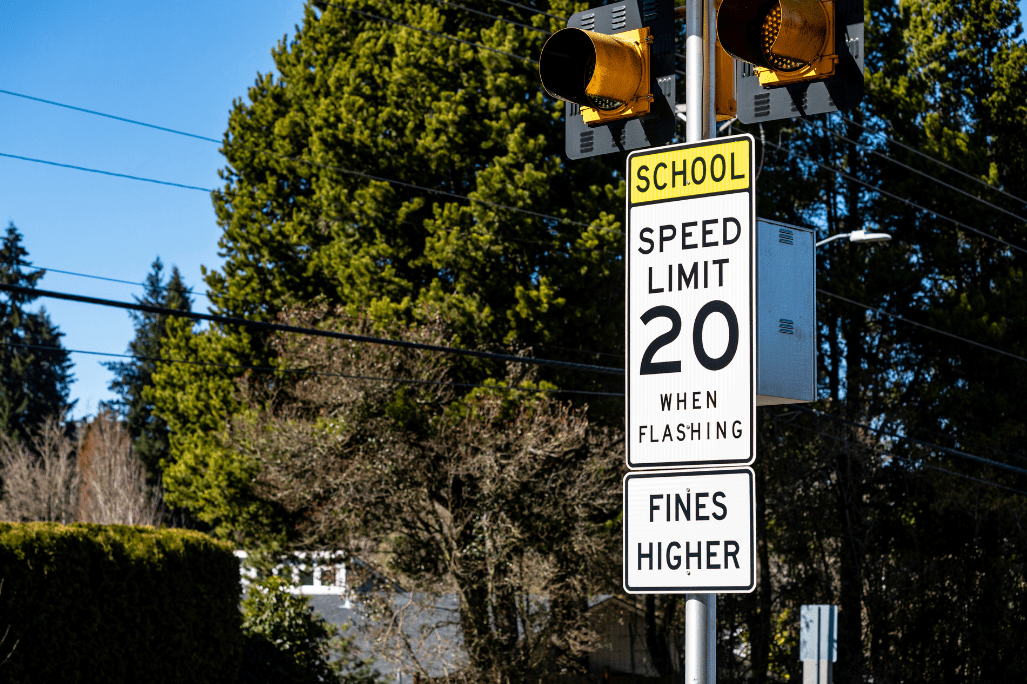
Pedestrian safety remains one of the highest priorities for transportation systems. Intersections near schools, parks, or busy crosswalks benefit from smart signals that provide warnings to approaching drivers and extended crossing times for vulnerable road users. Using platforms such as Currux Vision Smart City ITS, agencies can monitor pedestrian activity and adapt signals dynamically, while connected signals share information with approaching vehicles. This extra layer of communication directly enhances protection for children and pedestrians.
4. Emergency Response Routes
Intersections that serve fire stations, hospitals, and other emergency services should be prioritized for connected vehicle technology. With signal preemption tools, traffic signals can clear paths for emergency vehicles, improving response times when every second counts. When paired with roadside units, intersections can instantly respond to approaching ambulances or fire trucks, reducing delays and minimizing secondary crashes.
5. Freight and Transit Corridors
Major intersections on routes with significant truck or bus traffic face unique operational challenges. Connected vehicle upgrades enable agencies to balance freight efficiency with general traffic flow by prioritizing larger vehicles when necessary. Advanced detection systems can differentiate between passenger cars and heavy vehicles, allowing signals to adapt accordingly. The result is reduced congestion, fewer delays, and smoother integration between different types of road users.
6. Locations with Frequent Service Disruptions
Finally, intersections in fast-growing neighborhoods or near planned developments should be prepared for connected vehicles well in advance. Deploying smart infrastructure before traffic volumes increase allows agencies to manage growth proactively, reducing long-term congestion and supporting safe mobility for both vehicles and pedestrians. Connected systems also ensure future readiness for integration with additional smart city technologies.
7. Growth Areas and Future Development Zones
Finally, intersections in fast-growing neighborhoods or near planned developments should be prepared for connected vehicles well in advance. Deploying smart infrastructure before traffic volumes increase allows agencies to manage growth proactively, reducing long-term congestion and supporting safe mobility for both vehicles and pedestrians.

Moving Forward with Connected Vehicle Technology
Prioritizing the right intersections for connected vehicle upgrades ensures agencies deliver maximum value to their communities. Whether the goal is to improve safety, reduce congestion, or enhance emergency response, connected intersections can transform how transportation systems operate in real-time.
Western Systems partners with agencies across the Western U.S. to design and implement connected vehicle strategies that align with local priorities. Contact our team to discuss how smart intersections and adaptive signal control can improve traffic management in your city.